
Free written scope consultation - allowances, timeline, and change-order rules on paper before a single trade is scheduled
Sakrete Home Additions & ADU: The Orlando Owner’s Guide
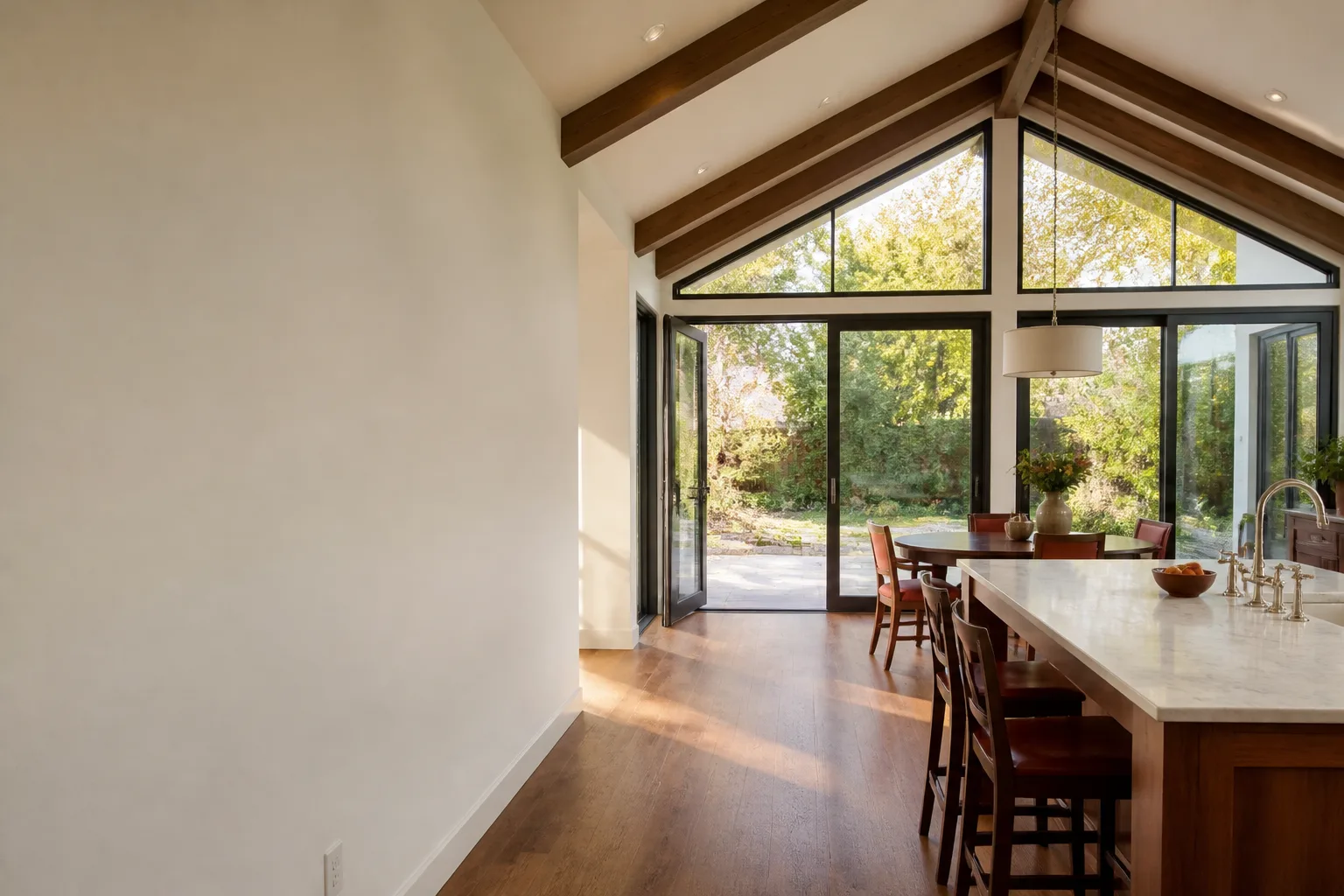
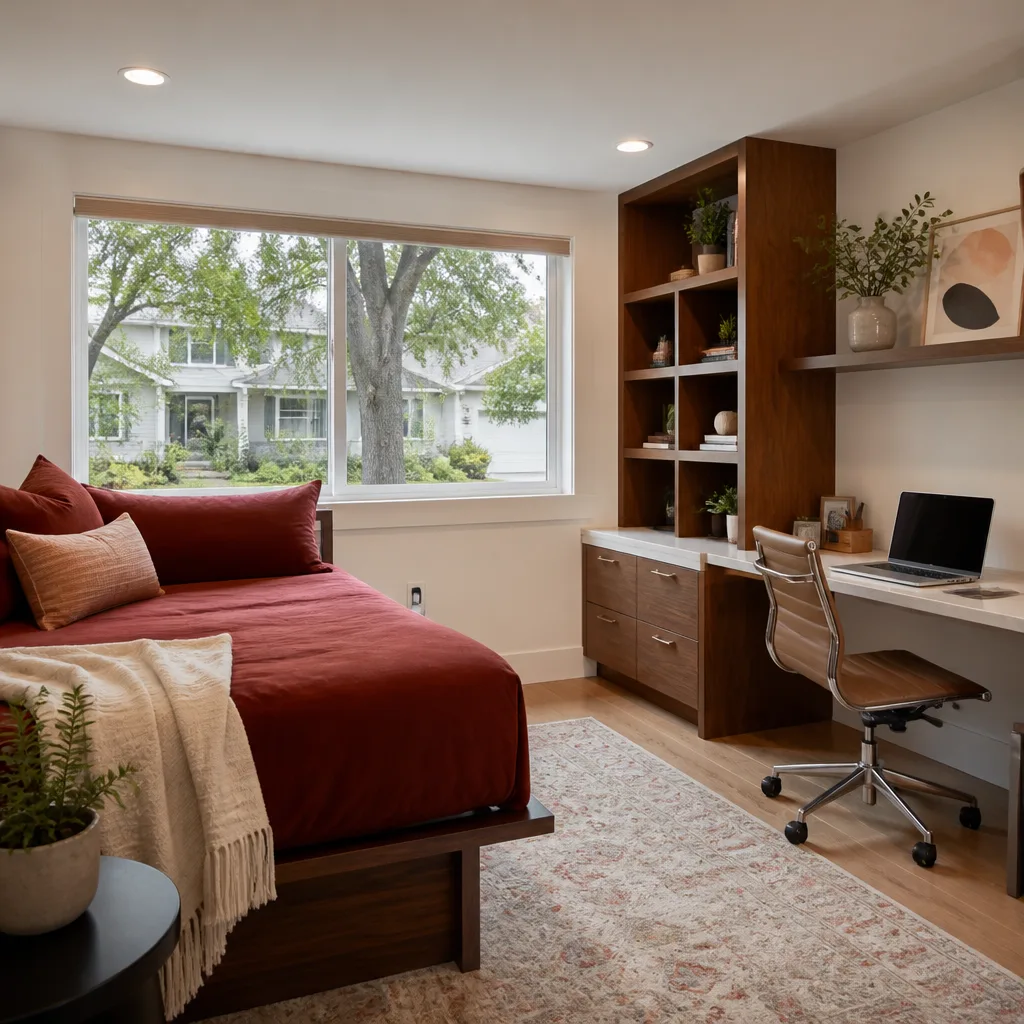
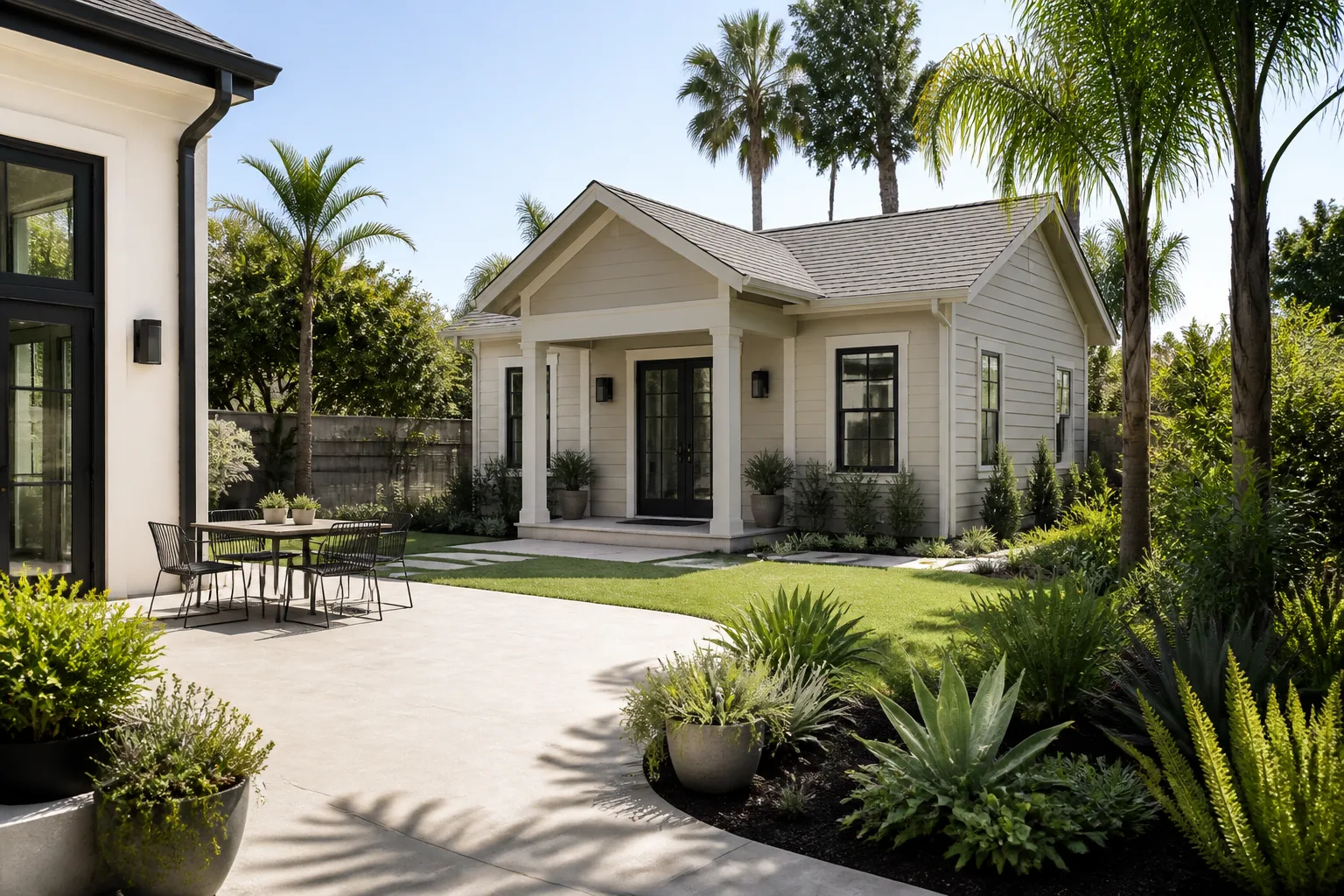
Sakrete home additions and ADU projects in Orlando typically run $45,000 – $130,000 installed, depending on square footage, foundation type, and whether we’re matching existing rooflines or building a detached structure. Most homeowners call us when they realize their original concrete work, whether it’s a slab, stem wall, or CMU block, wasn’t mixed or cured properly for Florida’s humidity and sandy soil. What starts as a hairline crack in the addition’s floor becomes a door that won’t latch, then a window that binds, and before long you’re wondering if the whole structure is shifting. We stock Sakrete-compatible concrete mixes, aggregates, and repair products on our trucks, and we’ll tell you honestly whether a repair makes sense or the foundation needs to be redone.
Which Sakrete Models This Applies To
Sakrete doesn’t make “models” the way a cabinet line does. What you’re matching is the specific concrete mix or repair product used in your original home addition or ADU build. The three most common in Orlando are High-Strength Concrete Mix, which runs about 4,000 PSI and is what we spec for slab additions; Sand Mix, which shows up in stucco repair and shower pans; and Fast-Setting Concrete, used for gate posts, fence footings, and smaller pad work around an ADU. The label on the original bag, if you still have one, tells you the PSI rating and aggregate type. If you don’t have the bag, we can core-sample the existing concrete and match it. For most Orlando ADUs built in the last 15 years, we’re looking at a 3,000 – 4,000 PSI mix, and Sakrete’s standard gray blends match that spec cleanly. Aftermarket equivalents exist, but for structural work we stick with Sakrete’s tested batch consistency. The gotcha: some local builders used a lightweight fill under ADU slabs to save money, and that fill settles differently than compacted road base. If your ADU floor has a hollow-wood sound underfoot near the exterior walls, the concrete itself may be fine and the base is the problem.
Styles & brands we work with







Signs Your Sakrete Home Additions & ADU Is Failing
- Stair-step cracks in the block walls of the addition. This is settlement, almost always from soil movement or a footing poured too shallow for Orlando’s sandy substrate. The crack pattern follows the mortar joints because the block units are stronger than the bond between them.
- Doors and windows that stick seasonally. In Orlando, the wet season swells the soils and the dry season loosens them. A door that latches fine in March but drags in August tells you the slab is moving with soil moisture, and the fix is never just shaving the door.
- Visible gap between the addition wall and the original house. This one shows up where the new construction ties into the existing exterior wall. If you can slide a putty knife into the seam, the addition has pulled away from the house and the tie-in details or footing depth need a professional look.
- Hairline cracks radiating from window and door corners in the ADU. These are stress risers, not cosmetic. Concrete cracks from corners under load, and on an ADU with a flat roofline catching Orlando afternoon storms, repeated wet-dry cycles widen them.
- Efflorescence, the white chalky residue, on the interior slab edge. This is moisture wicking through the concrete. In Florida, it usually means the vapor barrier under the slab was skipped, pinched, or degraded. You’ll see it first around the baseboards on humid mornings.
See the difference
 Before
 After
After Before
 After
After Before
 After
AfterReplacement Cost & What’s Included
For a full home addition in Orlando, budget $45,000 – $130,000. That range covers everything from a 300-square-foot bump-out bedroom to a 600-square-foot great room with a bathroom. A detached ADU runs higher, typically $90,000 – $220,000, because you’re adding a new foundation, separate electrical service, plumbing, and often a kitchenette. The concrete itself is a modest slice of the total, generally $8 – $14 per square foot of slab, but the cost driver is what sits on it: roofline matching, HVAC runs, and how much of the existing stucco or siding has to be opened to tie in. What you get from us is a written number before we pour anything, a line-item breakdown so you see exactly what the concrete, framing, finishes, and fixtures cost, and the 365-Day Done Right Promise on the entire project. If something fails inside that first year, we come back and make it right at no charge. That promise is in writing on day one.
DIY or Call Us?
You can safely check a few things yourself. Look at the cracks and mark their ends with a pencil. Check back in two weeks. If the pencil marks have moved, the movement is active and you need a pro. You can also pull a 4-foot level out on the slab floor near the original house wall and check for slope, anything over a quarter inch in that span is worth a call. What you shouldn’t do is try to inject crack filler and call it fixed. Epoxy injection on an actively moving slab just moves the crack to the seam next to it. And if the issue is footing settlement, no amount of concrete patching helps. This is structural work, and on a home addition that shares walls with your main house, a failed repair puts the whole structure at risk. Call (850) 427-6454 and we’ll come out, look at it, and tell you straight what needs to happen next.
FAQs
A properly poured and cured slab in Orlando should last 50-plus years of structural life. The weak points aren’t the concrete itself but the vapor barrier, the footing depth relative to the frost line and soil type, and whether the mix got enough water during the pour and enough moisture during the first seven days of cure.
Yes, if the crack is dormant and under about a quarter inch wide, epoxy injection or polyurethane grout can stabilize it. If the movement is active, from soil settlement or a failed base, the repair will fail and you’re paying twice. Call (850) 427-6454 and we’ll assess whether the slab can be saved or needs section replacement.
A typical room addition runs 4 – 7 months from permits to final walkthrough. A detached ADU runs 6 – 10 months. Permitting with the City of Orlando or Orange County typically takes 4 – 8 weeks before a shovel goes in the ground, and that time is built into the schedule we put in writing up front.
We keep Sakrete High-Strength Concrete Mix, Sand Mix, and Fast-Setting Concrete on our trucks for structural and repair work. Before any pour, we confirm the existing slab’s PSI with a core sample or the original build spec, then match the mix so the new concrete bonds and cures without differential shrinkage cracks. Estimates are always free.
Written by Trevor Nash, Owner, Penhallow Remodeling Orlando at Penhallow Remodeling Orlando, serving Orlando and nearby areas.


