






Free written scope consultation - allowances, timeline, and change-order rules on paper before a single trade is scheduled
Plant Prefab Fence Installation: The Orlando Owner’s Guide
Plant Prefab fence installation in Orlando typically runs $3,500 – $9,000 installed, depending on the fence line length, the specific Plant Prefab panel system you’re matching, and what’s happening underground with your existing posts. Most homeowners discover they need this work after a storm or a few seasons of Florida humidity have done their work: a panel pulls loose at the cleat, a post lists toward the neighbor’s yard, or the bottom rail starts to crumble where sprinkler overspray hits it every morning. We stock Plant Prefab-compatible fence hardware on our trucks, and we can usually match your existing panel dimensions on site.
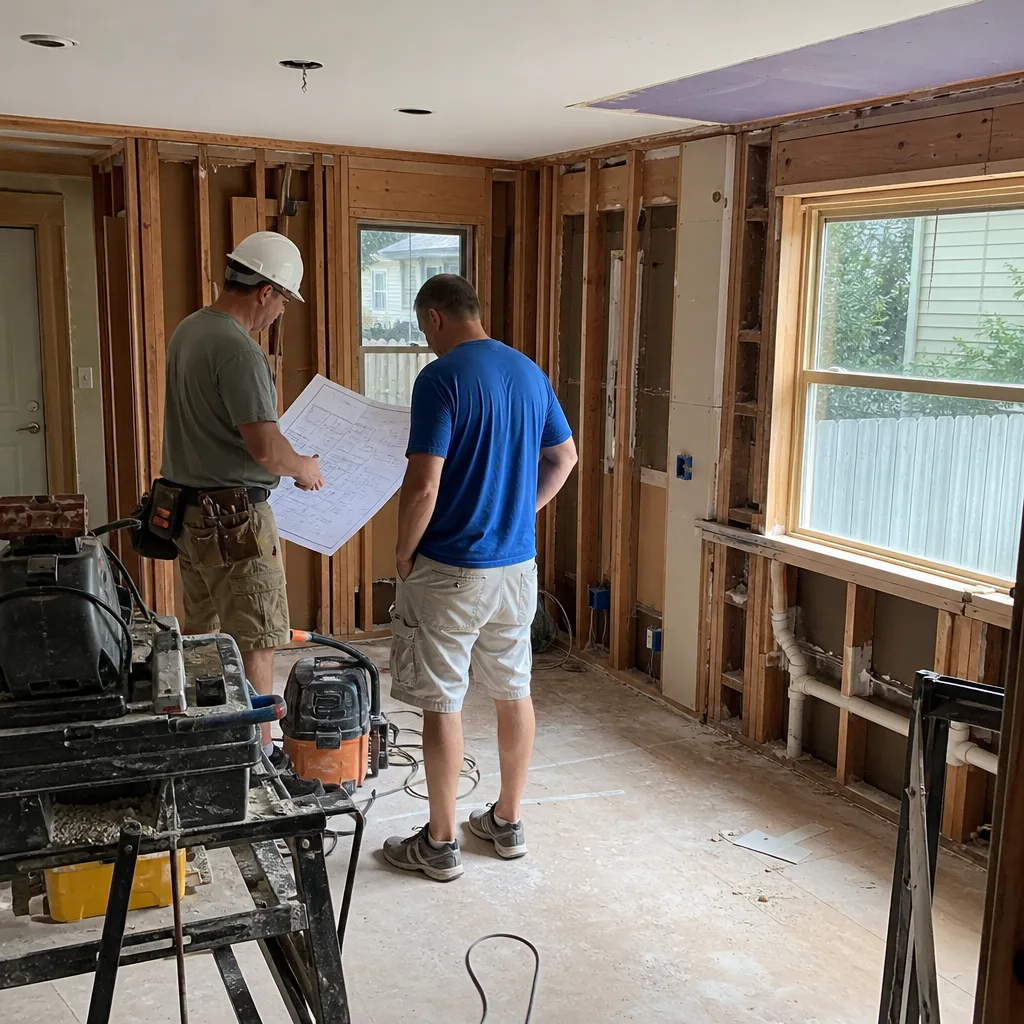
A quick note before we go further: Penhallow Remodeling Orlando is an independent contractor, not affiliated with Plant Prefab. That said, we’ve installed and repaired enough of their fence systems around Orlando to know exactly which fasteners, cleats, and post anchors the job calls for, and where the weak points tend to show up first in Central Florida’s climate.
Which Plant Prefab Models This Applies To

Plant Prefab’s fence system, like their panelized wall systems, is built around modular components that lock into a standardized grid. The fence panels are typically 6-foot or 8-foot sections, and they mate to posts using a concealed cleat or bracket system rather than face-screwed rails. The compatibility gotcha we see most in Orlando: the original Plant Prefab cleats are aluminum, and when a previous contractor swapped in a zinc-plated steel cleat from the hardware store, galvanic corrosion set in within two years. The steel cleat eats the aluminum. If you look at the back side of a failing panel and see white chalky powder around the bracket, that’s what happened.
To identify your panel generation, check the bottom rail for a small embossed part number near the corner. The original line used a 1-1/4-inch cleat channel; the current generation ships with a 1-1/2-inch channel. They are not interchangeable, and forcing a new panel onto an old cleat is how you crack the panel’s aluminum frame along the top edge. OEM Plant Prefab cleats and posts are your best bet for the panel-to-post connection because the tolerances are tight. For the post-to-ground anchors, we typically use high-quality aftermarket powder-coated anchors from a recognized trade supplier, simply because they hold up better in Orlando’s sandy, acidic soil than the original mild steel anchors.
Styles & brands we work with







Signs Your Plant Prefab Fence Installation Is Failing
- Panel rattles in the wind or gaps appear at the seams. The cleat has loosened or corroded. If you can see daylight between the panel and the post, the connection has already failed, and leaving it lets the panel flex until the frame fatigues.
- The fence leans noticeably after a heavy rain. Orlando’s afternoon downpours, especially in neighborhoods like College Park where the soil is mostly reclaimed lakebed, saturate the ground and expose weak post anchors. A post that shifts under load means the in-ground anchor has rusted through or was never set in enough concrete.
- White, chalky residue on any metal-to-metal joint. That is galvanic corrosion, almost always from mismatched metals. The only real fix is to replace the corroded bracket with the correct OEM part and isolate the metals with a non-conductive washer.
- The bottom rail is soft, swollen, or flaking. Sprinkler overspray and constant ground moisture break down a fence’s bottom rail faster than anything else in Orlando. This is especially common where the fence sits close to a property line and the neighbor’s irrigation hits it twice a week.
- The gate drags or won’t latch. The frame has twisted, or the post on the hinge side has moved. A Plant Prefab gate that won’t close quietly usually means the hinge post anchor is pulling out of the ground, and continuing to force the gate open and closed only widens the problem.
See the difference
 Before
 After
After Before
 After
After Before
 After
AfterReplacement Cost & What’s Included
A Plant Prefab fence installation in Orlando, including new panels, cleats, posts, and anchors, typically runs $3,500 – $9,000 for an average residential fence line of 80 to 150 linear feet. What drives the number up or down: the number of posts you’re replacing, whether the old concrete footings need to be dug out and re-poured, gate hardware, and how much of your existing panel inventory can be salvaged.
Here’s how the cost usually breaks down:
| Item | Typical Orlando Range |
|---|---|
| Plant Prefab-compatible panel (6 ft) | $180 – $340 per panel |
| Post replacement with new anchor | $220 – $420 per post |
| Cleat and hardware replacement | $40 – $90 per connection |
| Old post footing removal and re-pour | $150 – $300 per footing |
| Gate rehang with new hardware | $300 – $700 per gate |
Every Penhallow Remodeling Orlando fence project includes a written price before we start, and the number on that page is the number on your invoice. The work carries our 365-Day Done Right Promise: if a panel loosens, a post shifts, or a gate drags within a year of installation, we come back and make it right at no charge. That’s in writing on every fence job we do in Orlando.
DIY or Call Us?
Fence panels and cleats are not high-tension like garage springs, but they are heavy, awkward, and unforgiving when one slips. A 6-foot panel, especially the older Plant Prefab models with aluminum frames, weighs enough to break a finger or crack a shin when it drops at the wrong angle. The real hazard in Orlando is below ground: if you’re pulling or setting posts and you hit an irrigation line or a cable drop, the repair bill for what’s underneath will dwarf the fence work.
What you can safely do yourself is identify the problem. Walk the fence line, note which panels have gaps at the cleats, which posts have shifted, and whether the bottom rail is spongy. Take photos with a tape measure visible. That gives us half a diagnosis before we even arrive. At that point, call us at (850) 427-6454. We’ll walk the line with you, put the scope on paper, and give you the number first, then pick up the tool.
FAQs

A properly installed Plant Prefab fence in Orlando typically lasts 15 to 20 years on the panels, with posts and anchors needing attention around year 10 if they were set in undersized footings. The Florida combination of humidity, sandy acidic soil, and daily sprinkler overspray shortens the life of the bottom rails more than anything else. Call (850) 427-6454 for an honest assessment of your fence’s remaining life, and we’ll tell you if it’s worth repairing or replacing.
It depends on where it failed. A loose cleat is a 20-minute fix with the correct OEM part; a corroded frame or a split bottom rail means the panel is done. We’ll never sell you a full replacement when a bracket and a rehang will do it. Call (850) 427-6454 and we’ll give you a straight answer, in writing, before any work starts.
A typical Plant Prefab fence installation in Orlando, replacing panels and posts on a 100-foot line, takes two to three days from first dig to final gate adjustment. If we’re removing old concrete footings, add a day. You’ll get a written arrival window before we start, and the crew leaves the site cleaner than they found it.
We stock the cleats, anchors, and gate hardware that Plant Prefab fence systems use, along with a range of panel sizes to match the original dimensions. If your specific panel needs to be ordered, we handle that too, and we’ll show you the cost transparently. Call (850) 427-6454 to confirm what’s on the truck for your specific Plant Prefab model.
Written by Trevor Nash, Owner, Penhallow Remodeling Orlando at Penhallow Remodeling Orlando, serving Orlando and nearby areas.


