
Free written scope consultation - allowances, timeline, and change-order rules on paper before a single trade is scheduled
Oldcastle Home Additions & ADU: The Orlando Owner's Guide
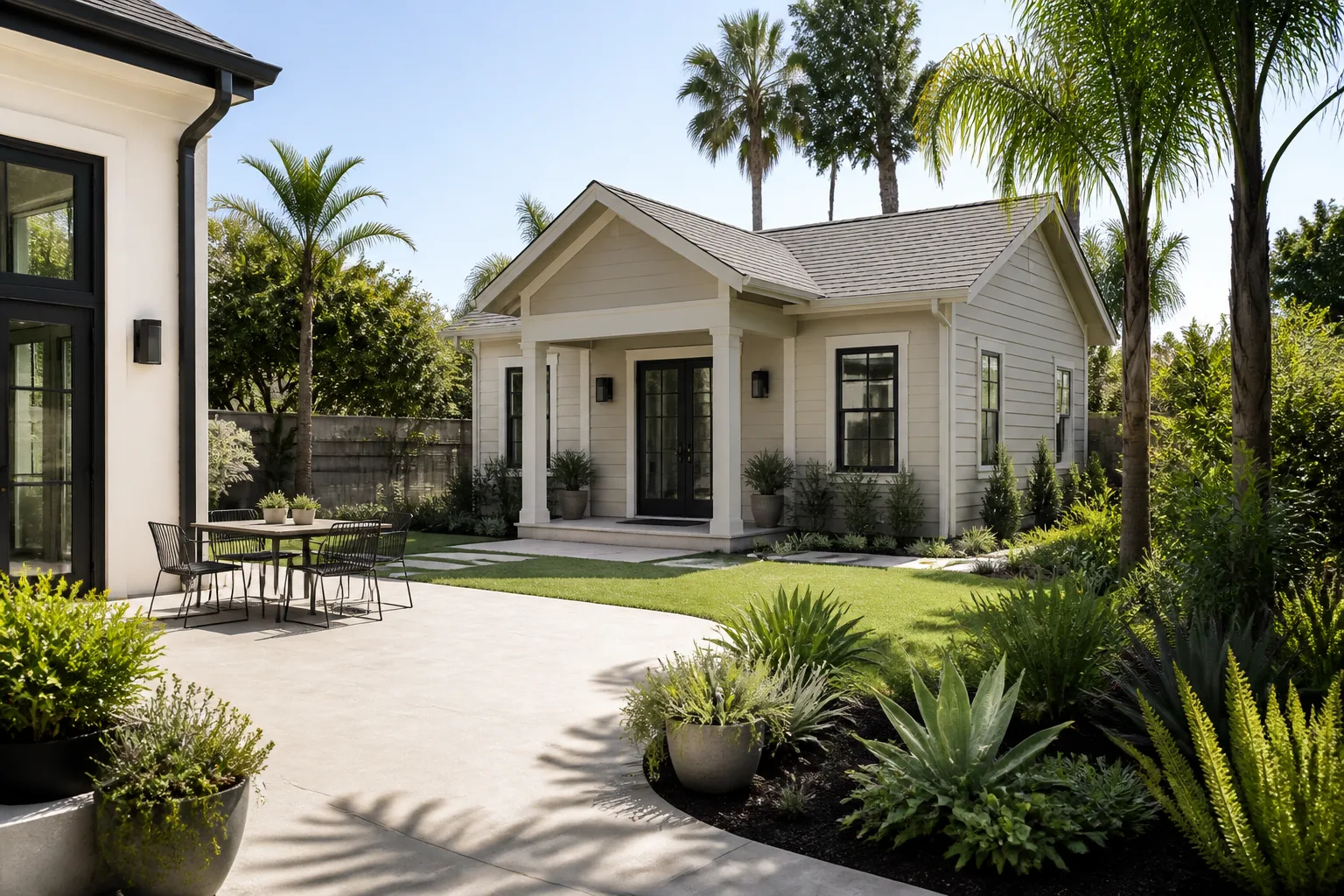
If you have an Oldcastle home addition or ADU project that’s stalled mid-construction, or a completed addition that’s now showing problems, we can help. A full Oldcastle-compatible home addition in Orlando typically runs $45,000 – $130,000 installed, while a detached ADU lands between $90,000 and $220,000 depending on square footage, foundation work, and finish level. Most Orlando homeowners find out something’s wrong when they notice a crack in the stucco, a door that suddenly won’t latch, or water staining at a wall-to-roof junction. The good news: nearly everything on an Oldcastle addition or ADU can be repaired or rebuilt without tearing the whole structure down.
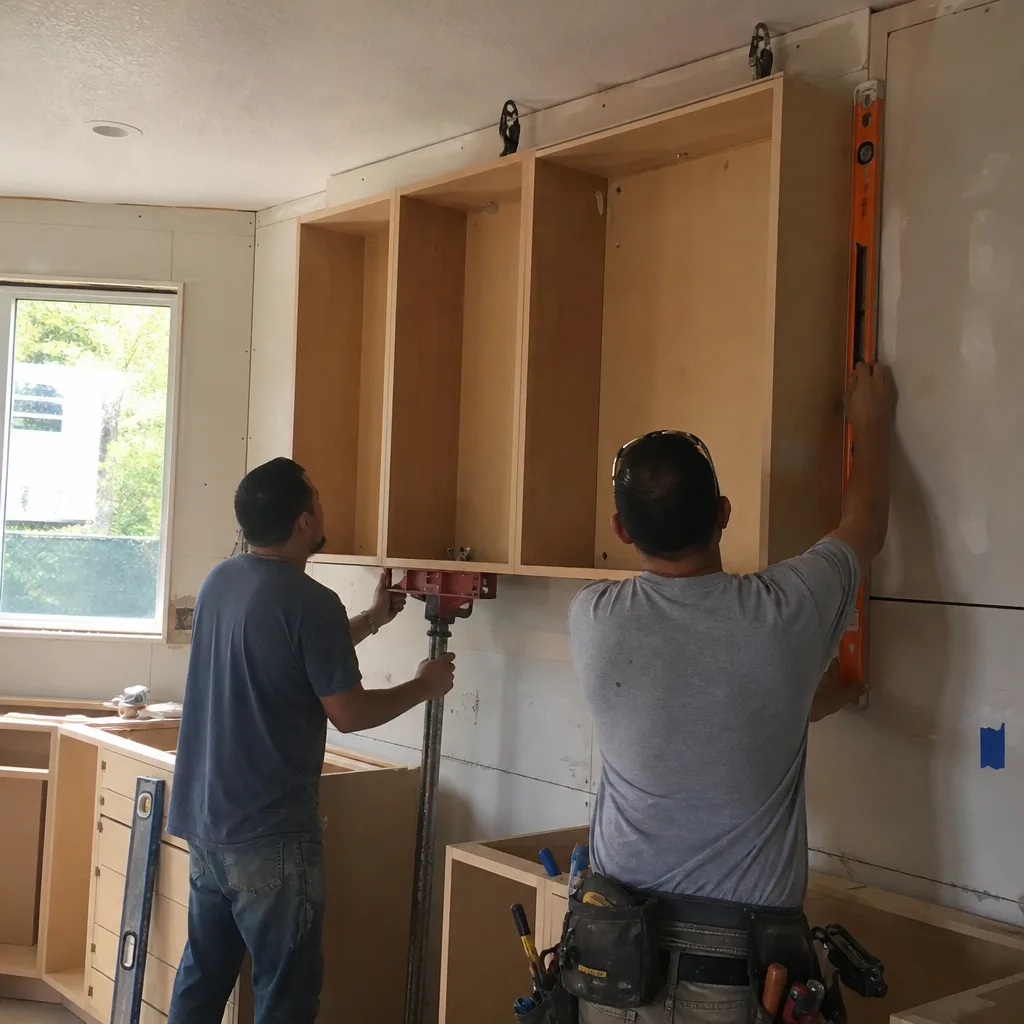
We’re Penhallow Remodeling Orlando, and while we’re an independent general contractor with no affiliation to Oldcastle, we work on their building products and envelope systems regularly around Central Florida. Trevor Nash runs our crew. Give you the number first, then pick up the tool. That’s how we’ve always worked.
Which Oldcastle Models This Applies To
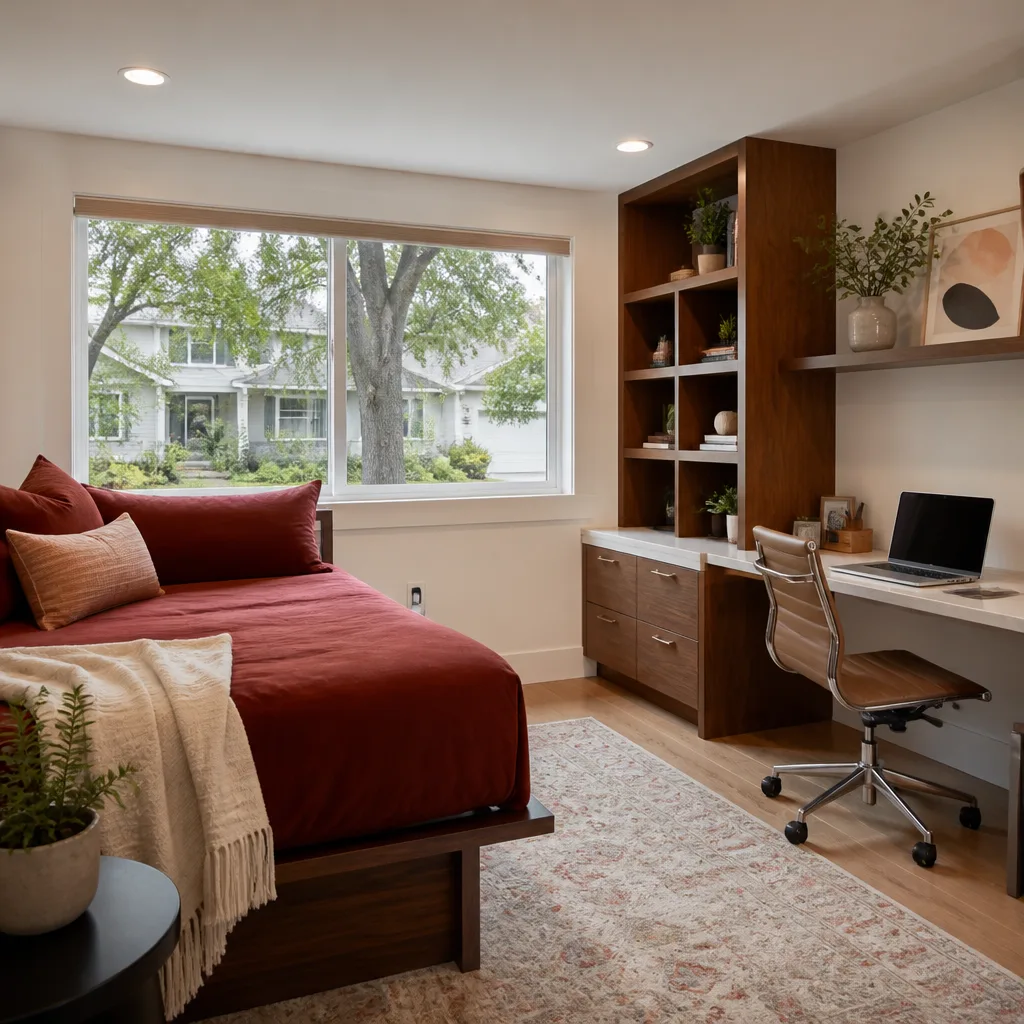
Oldcastle’s footprint in Florida covers a lot of ground: concrete masonry units (CMU block), precast lintels, architectural wall panels, and in some communities, their precast concrete wall systems used in additions and accessory structures. The compatibility question usually comes down to what your original builder specified. If your addition uses standard 8x8x16 CMU block with Type S mortar, any local Orlando mason can match it, and we do this regularly in neighborhoods like College Park and Audubon Park where 1950s frame houses got block additions in the 1980s and 1990s.
The gotcha: older Oldcastle wall panels and precast sections were sometimes poured with different aggregate mixes than what’s common today. That means a patch job with off-the-shelf bagged concrete from a big-box store will look wrong within a year, a slightly different color, a slightly different texture. We match aggregate and mix ratios, not just color swatches. For most residential additions, OEM precast sections aren’t worth chasing down. A quality local equivalent, spec’d properly for Florida’s wind-load requirements, performs as well and costs 30 – 40% less than trying to source OEM Oldcastle panels on a one-off basis.
Styles & brands we work with







Signs Your Oldcastle Home Additions & ADU Is Failing
- Stair-step cracking in the block joints. This is the classic sign of differential settling, common in Orlando’s sandy, sometimes sinkhole-prone soils. The block face stays intact but the mortar joints crack in a diagonal stair-step pattern. It usually means the original footer wasn’t sized for the soil type.
- Separation at the addition-to-house junction. If you see a vertical gap opening where your Oldcastle addition meets the original structure, the two foundations are moving at different rates. This gap will widen with every wet-dry season cycle, and water will find it.
- Water staining at the roofline intersection. The transition where an ADU or addition roof ties into the main structure is the most common leak point we see in Orlando. Torrential afternoon thunderstorms plus poor flashing equals water in the wall cavity within months of construction.
- Doors or windows that stick, bind, or won’t fully close. A shift of even a quarter-inch in an addition’s foundation makes a pre-hung door suddenly rub against its jamb. If multiple doors in the same addition have the same problem, it’s not the door. It’s the slab moving underneath.
- Horizontal cracks near the top of the wall. Vertical settling cracks are usually cosmetic. Horizontal cracks, especially near the top plate, suggest lateral pressure, often from retained soil against a below-grade block wall or a roof load that wasn’t accounted for.
See the difference
 Before
 After
After Before
 After
After Before
 After
AfterReplacement Cost & What's Included
For an Oldcastle home addition in Orlando, full build-out runs $45,000 – $130,000. A detached ADU runs higher, $90,000 – $220,000, because you’re paying for an entirely separate foundation, utility trenching, and usually a separate electrical panel. What drives the number: square footage, whether you’re matching block construction or going with wood frame, plumbing and electrical run distances, and finish level. A simple one-bedroom addition with basic finishes sits near the bottom. A full ADU with a kitchen, bathroom, and upgraded flooring sits near the top.
Here’s what our written price always includes: all demolition and debris removal, foundation and slab work, framing or block work as specified, rough-in plumbing and electrical, drywall, trim, paint, and a written 365-Day Done Right Promise. If anything fails inside that year, we come back and fix it at no charge. No service call, no re-inspection fee, no argument about whether it’s covered. The number on day one is the number on the final invoice.
DIY or Call Us?
Here’s an honest split. If you’re noticing early signs, a hairline crack, a slightly sticky door, a small water stain, you can and should monitor it. Photograph it once a month for a quarter, measure the crack width with a simple ruler, and mark the ends with a pencil to see if it’s moving. That’s useful information for any contractor you eventually call.
What you should not do is attempt to fix a structural issue yourself. Repointing a couple of block joints is one thing. Jacking a settled footing, rebuilding a wall junction that’s sheared away from the house, or re-flashing a roof intersection is structural work that can get someone hurt and make the problem worse. Orlando’s afternoon storms and high water table don’t forgive shortcuts. If you’re seeing active movement, water intrusion, or multiple doors suddenly out of square, call us at (850) 427-6454. We’ll come look and tell you honestly whether it’s urgent or whether it can wait. That visit and the estimate are free.
FAQs
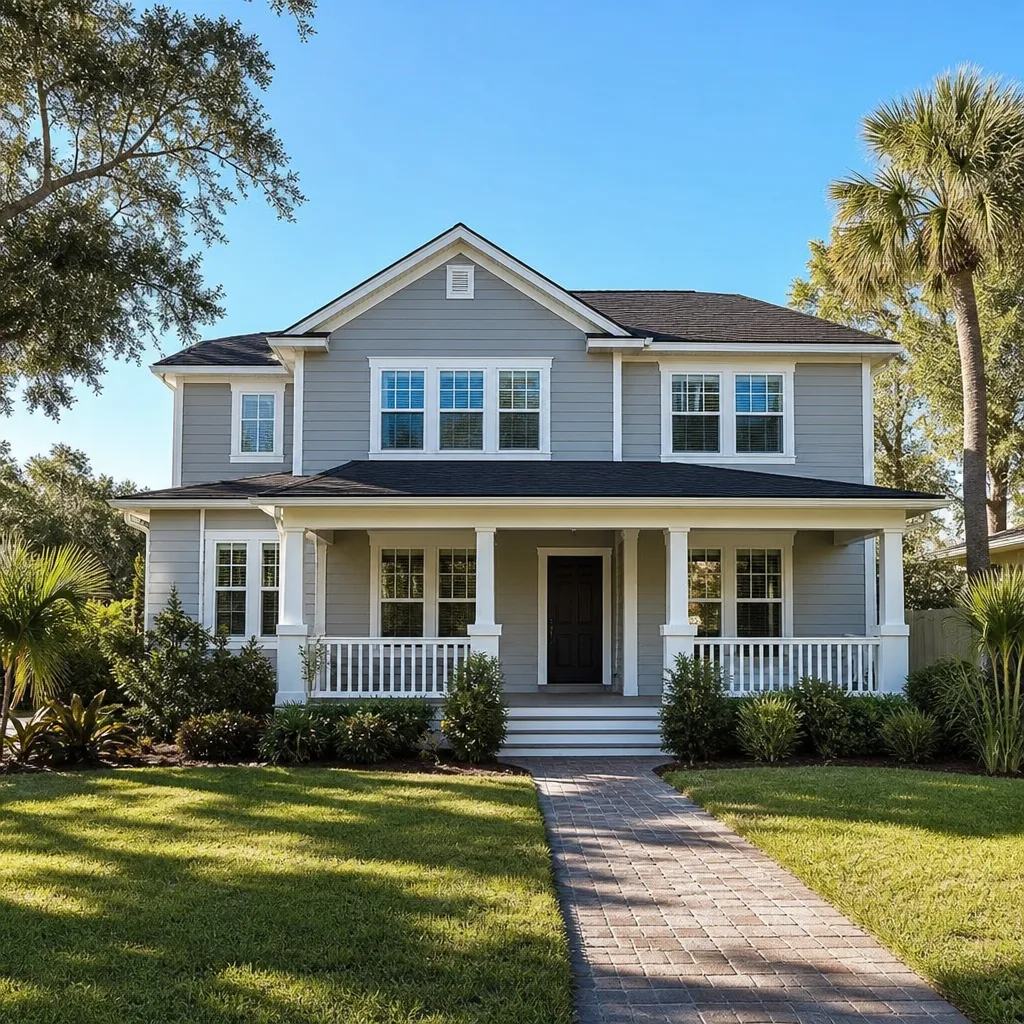
A properly built block addition on a correctly sized footer should last 50 to 80 years in Central Florida with normal maintenance. The weak points are the roof flashing, the sealant joints, and the paint or stucco finish, not the block itself. Those need attention every 10 to 15 years. If your addition is showing structural movement within the first five years, something was wrong at the foundation stage. Call (850) 427-6454 and we’ll tell you exactly what we’re seeing.
In most cases, it can be repaired. We’ve stabilized settled footings with helical piers, rebuilt failed wall junctions, and re-flashed roof intersections on dozens of Orlando additions. Full teardown is rare and usually only warranted when the original footer was completely inadequate or there’s extensive below-grade water damage. We’ll always show you the lower-cost repair path first if it’s safe and viable.
A focused repair, like re-flashing a roof junction or repointing a cracked section of block, is usually one to three days on site. Foundation stabilization can take a week including engineering review and inspections. A full addition or ADU build-out runs four to eight months. We’ll give you a written timeline before any work starts, including the arrival window for our crew. You’ll know when we’re coming and when we expect to be done.
We stock the standard materials on our trucks and at our Orlando shop: Type S and Type N mortar, standard 8x8x16 CMU block, flashing materials from Therma-Tru and James Hardie trim where applicable, and the sealants rated for Florida’s UV and moisture levels. For specialty precast sections that must match exactly, we source locally and verify the aggregate match before anything goes in. You won’t pay for a truck from out of state unless it’s genuinely required.
Written by Trevor Nash, Owner, Penhallow Remodeling Orlando at Penhallow Remodeling Orlando, serving Orlando and nearby areas.
Need a real number before you commit to anything? Call (850) 427-6454. A live person answers, 24/7. We’ll schedule a walkthrough, write you a price, and put the guarantee in writing before a single block gets set.


