
Free written scope consultation - allowances, timeline, and change-order rules on paper before a single trade is scheduled
Cambria Home Additions & ADU: The Orlando Owner’s Guide
If you’re researching a Cambria home addition or ADU in Orlando and want straight answers about what it costs and how it actually gets built, here’s the short version: a full home addition in Orlando typically runs $45,000 – $130,000, while a detached ADU (accessory dwelling unit) starts around $90,000 and can reach $220,000 depending on size, foundation work, and finishes. We install Cambria quartz on additions and ADUs throughout Orlando, and the product carries its own lifetime warranty alongside our written 365-day promise on the work itself. Most owners come to us not because a “part” failed, but because a previous contractor’s work did – gaps in the framing, a roofline that doesn’t tie in correctly, or a countertop that cracked six months after install.
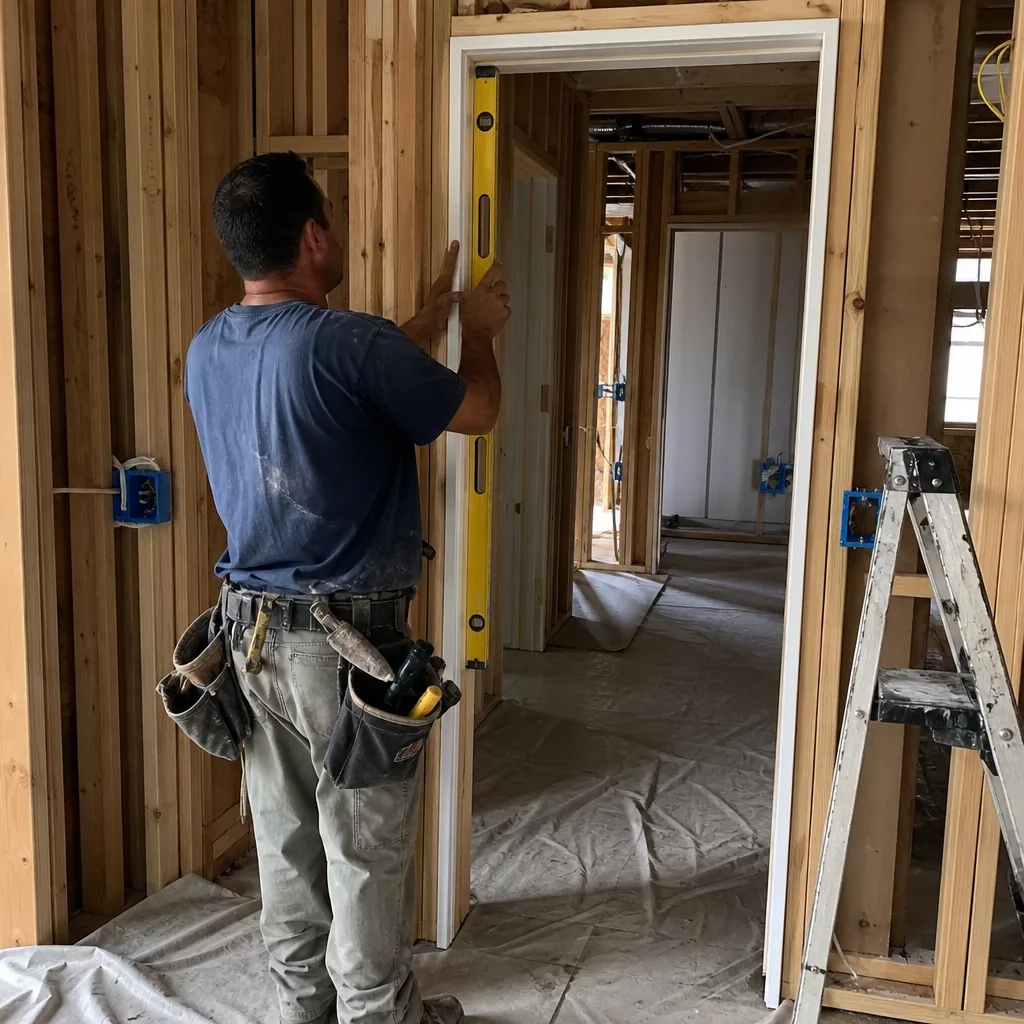
The “parts” in a home addition or ADU aren’t like appliance parts. They’re structural components, waterproofing layers, electrical runs, and finish materials like Cambria quartz. When one of those fails or was never done right, you feel it in crooked walls, doors that stick, standing water outside the foundation, or counters that chip at the edges. Trevor Nash founded Penhallow Remodeling Orlando on a simple rule: give you the number first, then pick up the tool. That means no verbal ballpark, no surprise change order at the door – just a written price and a written guarantee before a single board is cut.
Key Takeaways
- Typical home addition in Orlando: $45,000 – $130,000, depending on square footage, foundation type, and finishes.
- Cambria quartz on new surfaces: lifetime manufacturer warranty, plus our 365-Day Done Right Promise in writing.
- We’re an independent contractor – not affiliated with Cambria – but we install Cambria daily and know how to match its slab sizes to your layout.
- Every job gets a written price before work starts. No estimate ranges, no verbal ballparks.
Which Cambria Models This Applies To
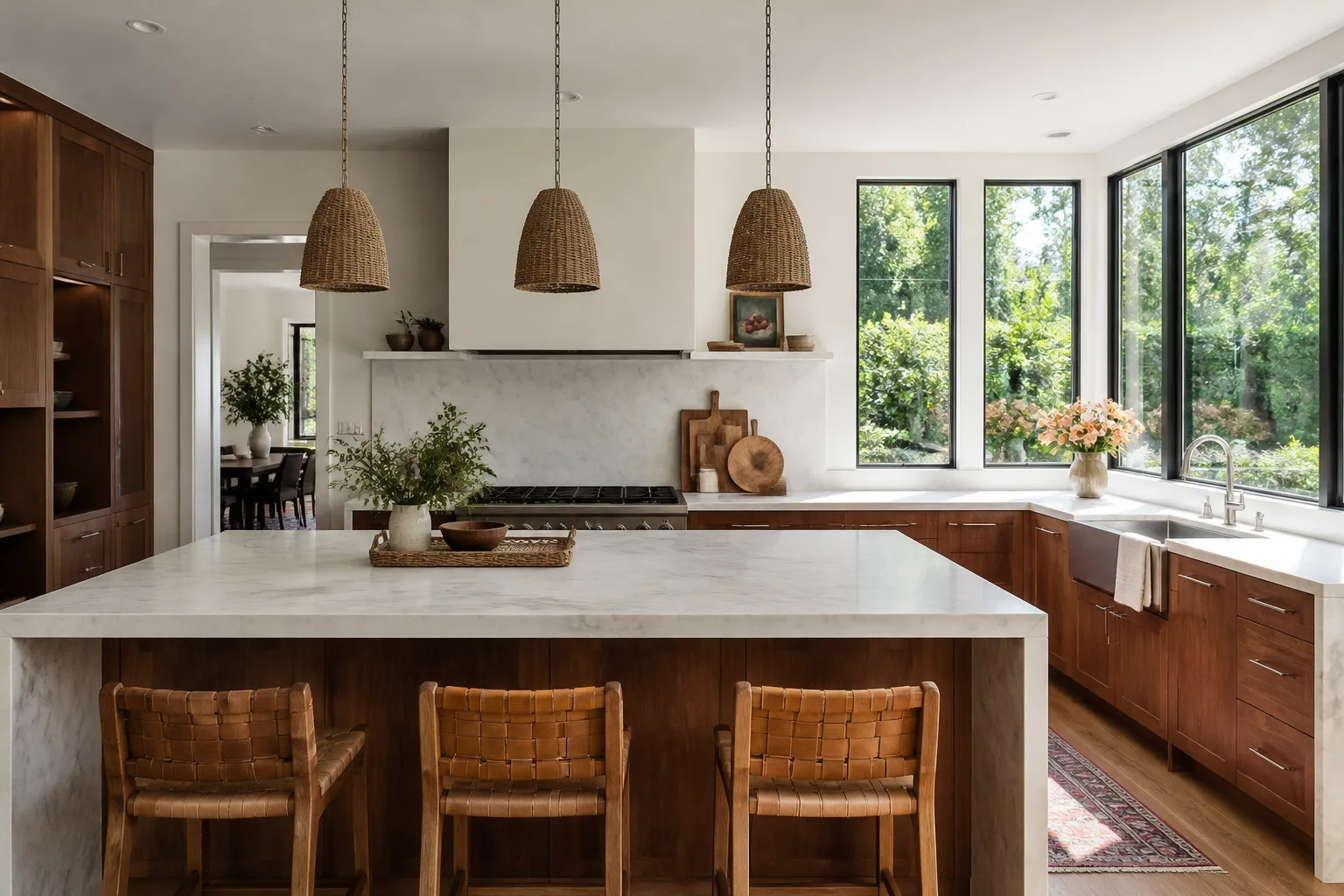
Cambria quartz doesn’t have “models” in the way an appliance does – it has collections and slab sizes. The two slab formats that matter for Orlando additions and ADUs are Jumbo (132″ × 65.5″) and Standard (120″ × 55.5″). Here’s the compatibility gotcha most people don’t learn until after they’ve paid for the slab: if your addition’s island or run is longer than the slab, you’ll need a seam. On some older Orlando bungalows – like the 1950s-era framing we see regularly in College Park – floors aren’t level, and that complicates seaming on long runs. We plan for that before the slab is ordered, not after.
Cambria’s design series include Marble, Quartz, Vein, and the newer Inverness and Oxford collections. Each series differs in pattern density and edge profile compatibility. If you’re matching an existing Cambria surface from a previous addition, pull the slab identification sticker from the underside, or check the paperwork from your original fabricator. That sticker gives us the design name and lot number, which matters because quartz color lots drift slightly between production runs. When you need to extend a run, an aftermarket lookalike slab will never match exactly. We order from Cambria distribution direct, which keeps the lot traceable.
We also work with KraftMaid, Silestone, and Kohler products on additions and ADUs, so if you’re planning a full kitchen or bath inside the new space, we can keep the finish palette consistent across brands.
Styles & brands we work with







Signs Your Cambria Home Additions & ADU Is Failing
- Hairline cracks at slab corners or around sink cutouts. This is the most common failure we see in Orlando, and it’s almost never the quartz itself. It’s the substrate (the plywood or cement board layer under the stone) flexing due to moisture swelling or improper support. Cambria is non-porous, but the layers beneath it are not.
- A seam that’s opened up or catches your fingernail. Seams should be nearly invisible and completely flush. When a seam opens on a Cambria run, the issue is usually slab movement from a settling foundation or uneven cabinet shimming. A seam that’s moved once will keep moving until the underlying cause is fixed.
- Doors or windows in the addition that stick or won’t latch in Orlando’s wet season. Florida’s summer humidity swells framing lumber, but a properly built addition accounts for that with moisture barriers and proper flashing. If doors bind every June through September, the framing was installed too tight or the exterior waterproofing is failing.
- Countertop overhang that bounces or feels hollow when you press it. Cambria slabs need support brackets or corbel placement every 24 to 30 inches on any overhang beyond 10 inches. A hollow feel means the fabricator skipped the bracketing – a common corner-cutting shortcut we’re called to correct.
- Standing water pooling against the addition’s foundation after any rain. Orlando gets roughly 51 inches of rain a year, most of it in summer downpours. If water isn’t moving away from the slab edge, the foundation, flooring, and cabinet bases inside your addition will fail eventually. Grading and drainage are part of the “part” we fix.
See the difference
 Before
 After
After Before
 After
After Before
 After
AfterReplacement Cost & What’s Included
In Orlando, a home addition runs $45,000 – $130,000. That range reflects square footage, whether we’re pouring a new slab or tying into the existing foundation, the roofline design, and finish selections. A detached ADU starts at $90,000 and can go past $220,000 for a two-bedroom unit with a full kitchen and bath, separate utilities, and site work. Cambria countertops inside that ADU or addition typically add $2,000 – $6,500 for an average kitchen, depending on the slab series and seam count.
What drives the number up or down? Foundation work is the single biggest variable – slab-on-grade is more affordable than a crawlspace or pier-and-beam correction. Roofline complexity matters too; a simple shed-style tie-in costs less than a gable roof that has to match the home’s existing pitch. And finish level is the third factor: stock cabinets and a standard Cambria design land at the bottom of the range; custom Wellborn cabinetry and a Cambria Vein-series slab with waterfall edges land at the top.
Every Penhallow Remodeling Orlando addition and ADU quote includes a written price before any work starts, a defined arrival window, and our 365-Day Done Right Promise in writing. If something we built fails inside that year, we come back and fix it at no charge. That includes the Cambria installation – the counter, the brackets, the seam, the substrate beneath it. The numbers above are the numbers on the invoice, start to finish.
DIY or Call Us?
Here’s an honest split. If you’re seeing a hairline crack near a sink, check first whether the cabinet below has a loose shim or a water-damaged base – those are things you can see with a flashlight. But anything involving a moving seam, a bouncing overhang, a door that binds, or water at the foundation is not a caulk-and-paint job. Cambria quartz is roughly 3 times heavier than granite per square foot; a full slab can weigh 700 pounds or more. Attempting to lift, shim, or reset a slab without the right equipment and substrate knowledge is how slabs get chipped and fingers get crushed. Leave structural movement and slab handling to someone who does it every week.
If the issue is a failing seam, warped cabinets, or a foundation that’s letting water in, call (850) 427-6454. We’ll come out, inspect the failure, and tell you what’s actually wrong – whether we installed it originally or someone else did. The inspection is free, and you’ll get a written number before any repair work is authorized.
FAQs
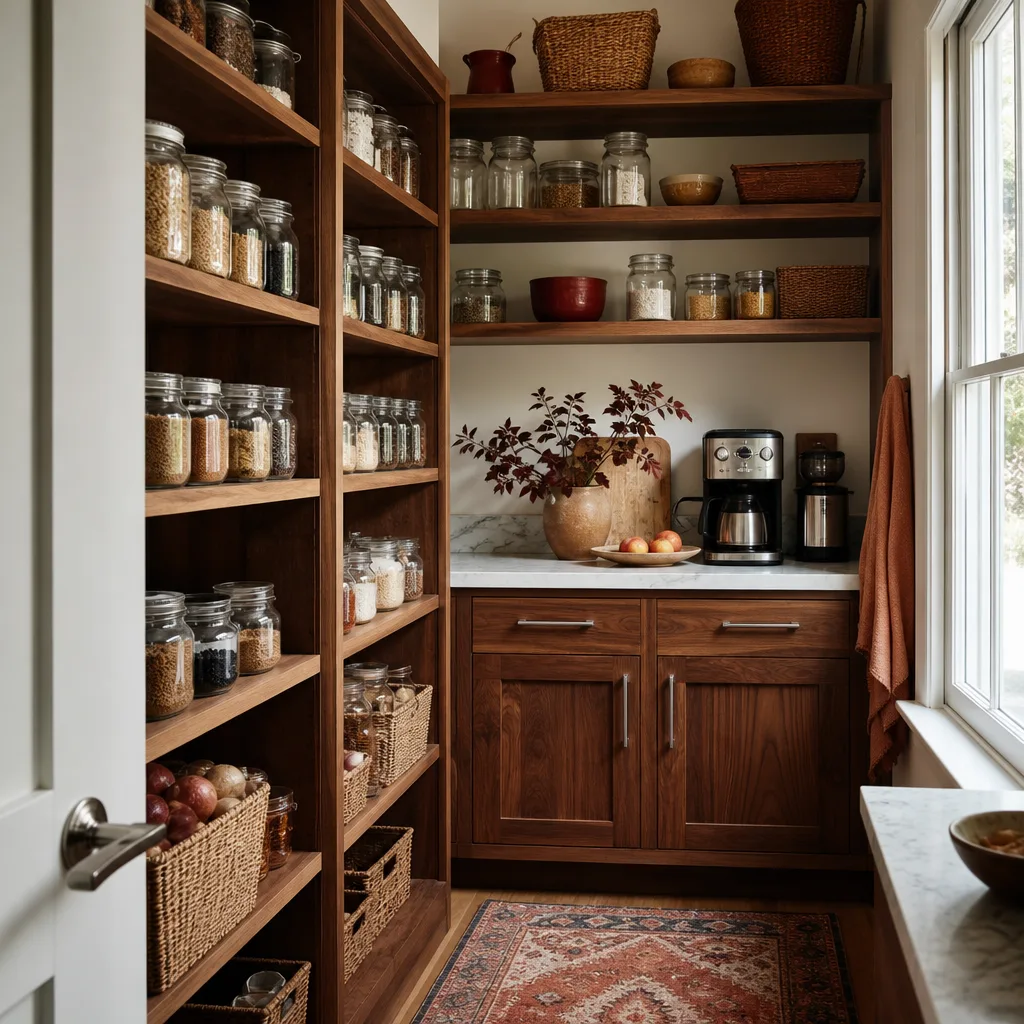
Cambria quartz is engineered to last the life of the home – the manufacturer warranty is lifetime – but the installation details determine whether it actually does. In Orlando’s humidity and heat, a properly supported slab with a moisture-resistant substrate should last 30+ years with no issues. Call (850) 427-6454 if you suspect your substrate is the weak link; we’ll inspect it for free.
Yes, in many cases. Small edge chips and hairline cracks can be filled and color-matched by a professional fabricator, though the repair will never be invisible on a patterned Cambria design. If the crack is caused by substrate movement, repairing the surface without fixing the support underneath means it will crack again – which is exactly why our estimate includes fixing the cause, not just the symptom. Call (850) 427-6454 to schedule a look.
A standard kitchen or ADU countertop replacement takes 2 to 5 days from tear-out through new slab install, depending on seam count and sink cutout complexity. The slab has to be templated, cut, and fabricated before install day, which adds about a week for Cambria’s standard fabrication lead time. We give you the full timeline in writing before the job is scheduled.
We order Cambria slabs per job through the Cambria distribution network, which keeps lot numbers consistent when you’re matching an existing surface. We don’t warehouse slabs because quartz color lots shift slightly between production runs, and matching your existing Cambria installation requires ordering from the same lot whenever possible. The turnaround is reliable and included in your project timeline.
If you’re planning a home addition or ADU in Orlando and want the countertops, cabinets, and finish work done right the first time – with a written price and a written guarantee – call Penhallow Remodeling Orlando at (850) 427-6454 for a free estimate. A live person answers the phone, day or night.
Written by Trevor Nash, Owner, Penhallow Remodeling Orlando at Penhallow Remodeling Orlando, serving Orlando and nearby areas.


