
Free written scope consultation - allowances, timeline, and change-order rules on paper before a single trade is scheduled
James Hardie Kitchen Remodeling: The Orlando Owner’s Guide
If you’re planning a kitchen remodel in Orlando and want James Hardie products integrated the right way, here’s the short answer: a full James Hardie-compatible kitchen remodel in Orlando typically runs $14,000 – $45,000 installed, depending on whether we’re working with HardieBacker board under tile, HardieTrim around windows and doors, or HardiePlank siding on an exterior kitchen wall. We stock the common James Hardie substrates and trim profiles on our trucks, so most kitchen projects don’t wait on material orders. The problems we see most often aren’t with the Hardie products themselves, but with the way a previous contractor installed them: wrong fastener spacing, missing expansion gaps, or tile set directly on drywall where a cement board substrate should have gone in the first place. That’s the call we get: someone pulls a cracked backsplash off the wall and finds drywall crumbling behind it, or the cabinet run along an exterior wall shows water staining because the siding joint was never flashed.
Which James Hardie Products This Applies To
James Hardie makes a few different product lines, and they’re not interchangeable. The one you’ll recognize in a kitchen context is HardieBacker cement board, which comes in 1/4-inch and 1/2-inch sheets plus a 500-series variant for floors. The 500 designation matters: HardieBacker 500 is rated for both floor and wall use and carries the “500” mark printed on the board face, while standard HardieBacker has slightly different load ratings. If you’re pulling up a kitchen floor and the underlayment says 500 on it, that’s the product we match. For exterior kitchen walls, HardiePlank lap siding is the product most Orlando homes carry, usually in 5/16-inch thickness with either a smooth or wood-grain face. HardieTrim boards finish out window and door surrounds on those same walls, and they’re available in 4/4 and 5/4 thicknesses. Here’s the gotcha: HardieTrim is not a substitute for HardieBacker. We’ve seen homeowners (and more than one handyman) use whatever Hardie board was on sale at the big box store, not realizing the trim product lacks the compressive strength for tile work. If you’re not sure what you have, look for the product name printed on the board face. Every HardieBacker sheet carries it, and it survives most installs intact.
On the OEM-versus-aftermarket question: James Hardie doesn’t make a “kitchen remodel kit,” so there’s no official part number to cross-reference the way you would with a cabinet hinge or a faucet cartridge. What matters is product spec, not brand loyalty. A quality cement board from a recognized manufacturer will perform comparably to HardieBacker, but we install HardieBacker by default in Orlando because it’s what most local tile contractors specify, and it’s what most homeowners have already seen in their previous kitchen. Penhallow Remodeling Orlando is an independent remodeler, not a James Hardie affiliate or distributor, so our recommendation is based on what holds up in Florida humidity rather than what a manufacturer tells us to push.
Styles & brands we work with







Signs Your James Hardie Kitchen Remodeling Is Failing
- Cracked or popping floor tile. That’s usually a movement problem: the subfloor flexes, the thin-set bond breaks, and the tile cracks. In Orlando, the seasonal humidity swing between summer and winter makes wood subfloors expand and contract enough to test any mortar bed. A properly installed HardieBacker layer isolates that movement.
- Grout lines crumbling along the backsplash. If the grout keeps falling out no matter how many times you patch it, the backer board behind the tile isn’t rigid enough, or it was never installed. Tile set directly on drywall fails at the grout line first because the drywall flexes behind it.
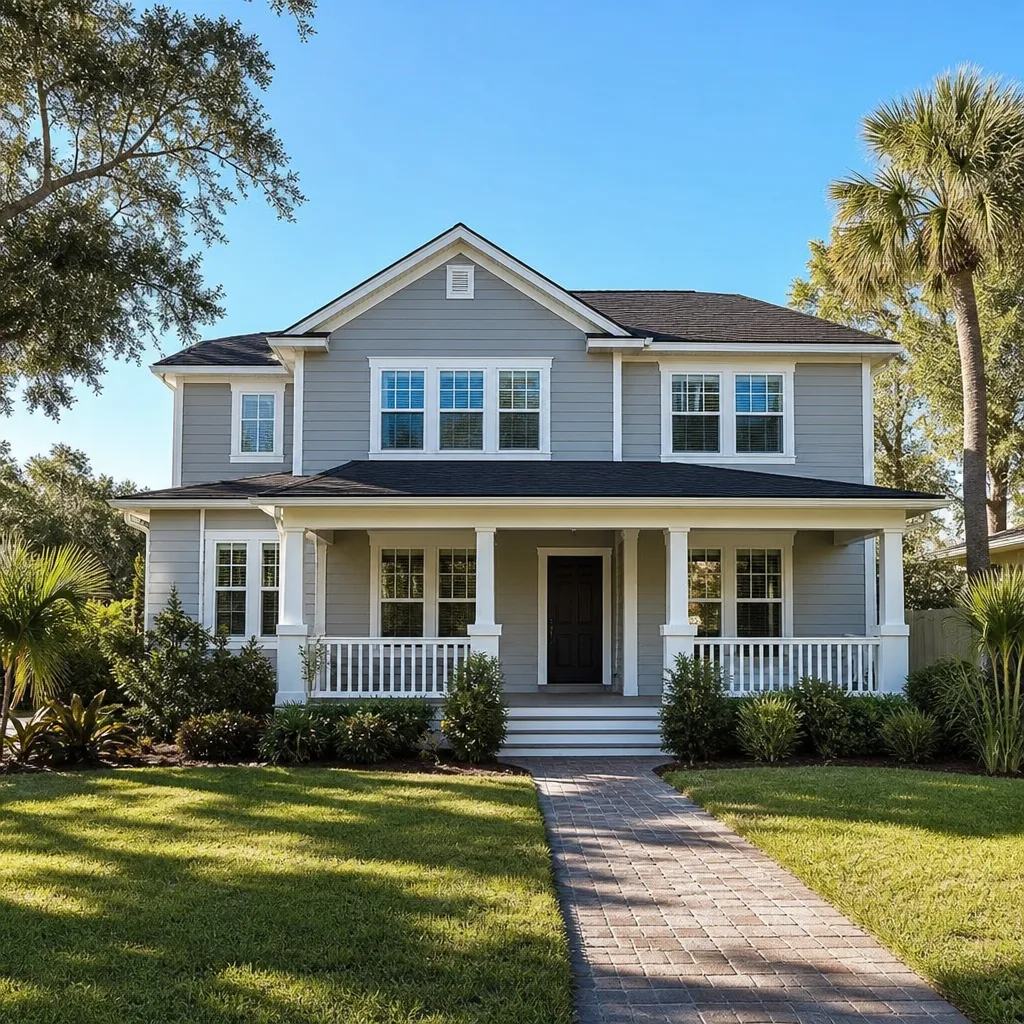
- Soft or water-stained base cabinets along an exterior wall. This points to a siding or flashing failure outside, not a cabinet problem. In Orlando’s afternoon thunderstorm cycles, a poorly lapped HardiePlank joint lets wind-driven rain behind the siding, and by the time the cabinet shows staining, the wall cavity has been wet for months.
- Caulk joints at the countertop backsplash pulling away from the wall. A 1/8-inch gap that won’t hold caulk usually means the wall and counter are moving independently. That’s either a substrate issue behind the backsplash or a house settlement issue, and the fix is never just more caulk.
- Hollow sounds when you knock on kitchen wall tile. Voided mortar coverage behind the tile means the installer didn’t get full contact between tile and substrate. HardieBacker itself doesn’t cause this, but it’s often what homeowners blame first. The board is fine; the setting technique wasn’t.
Replacement Cost & What’s Included
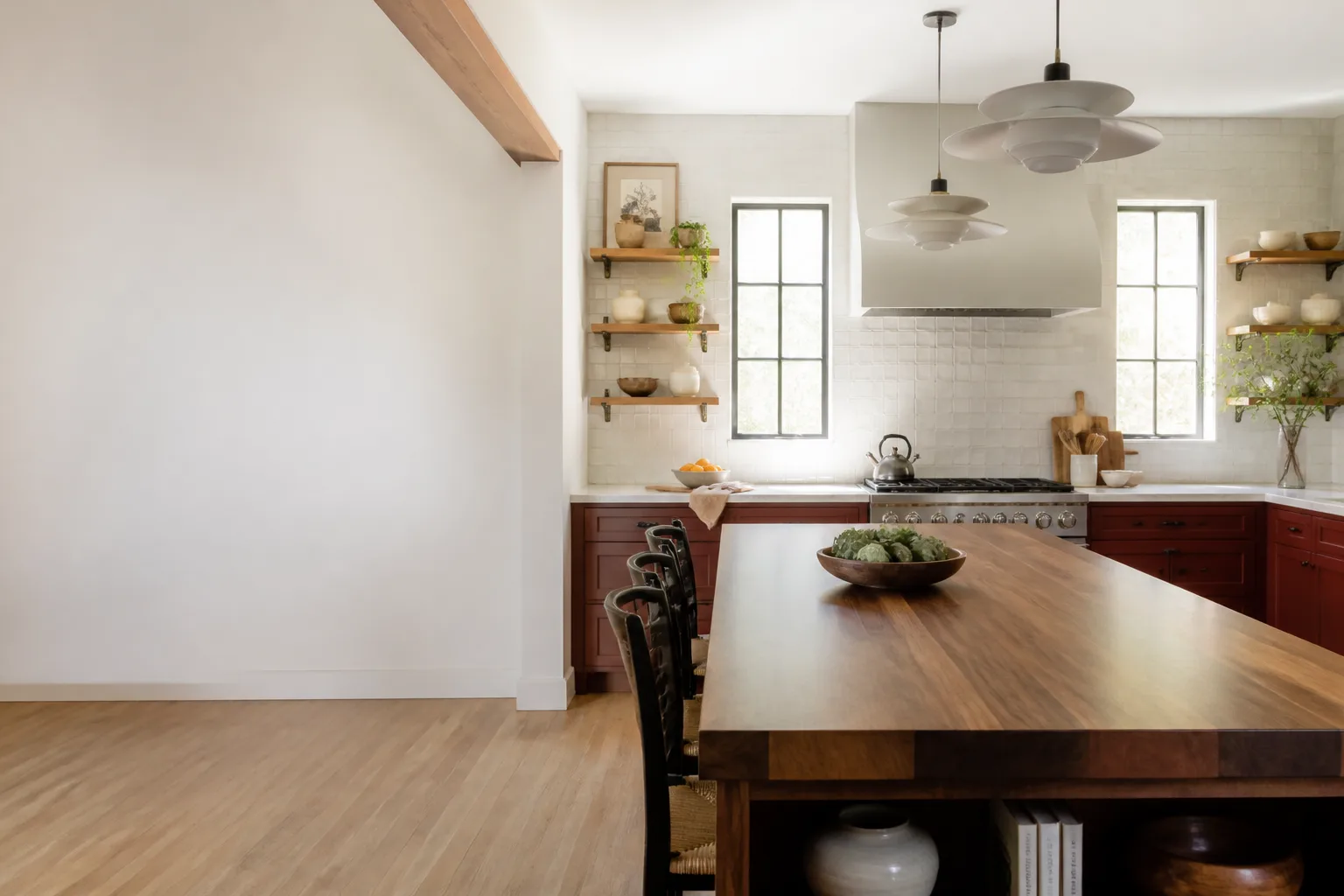
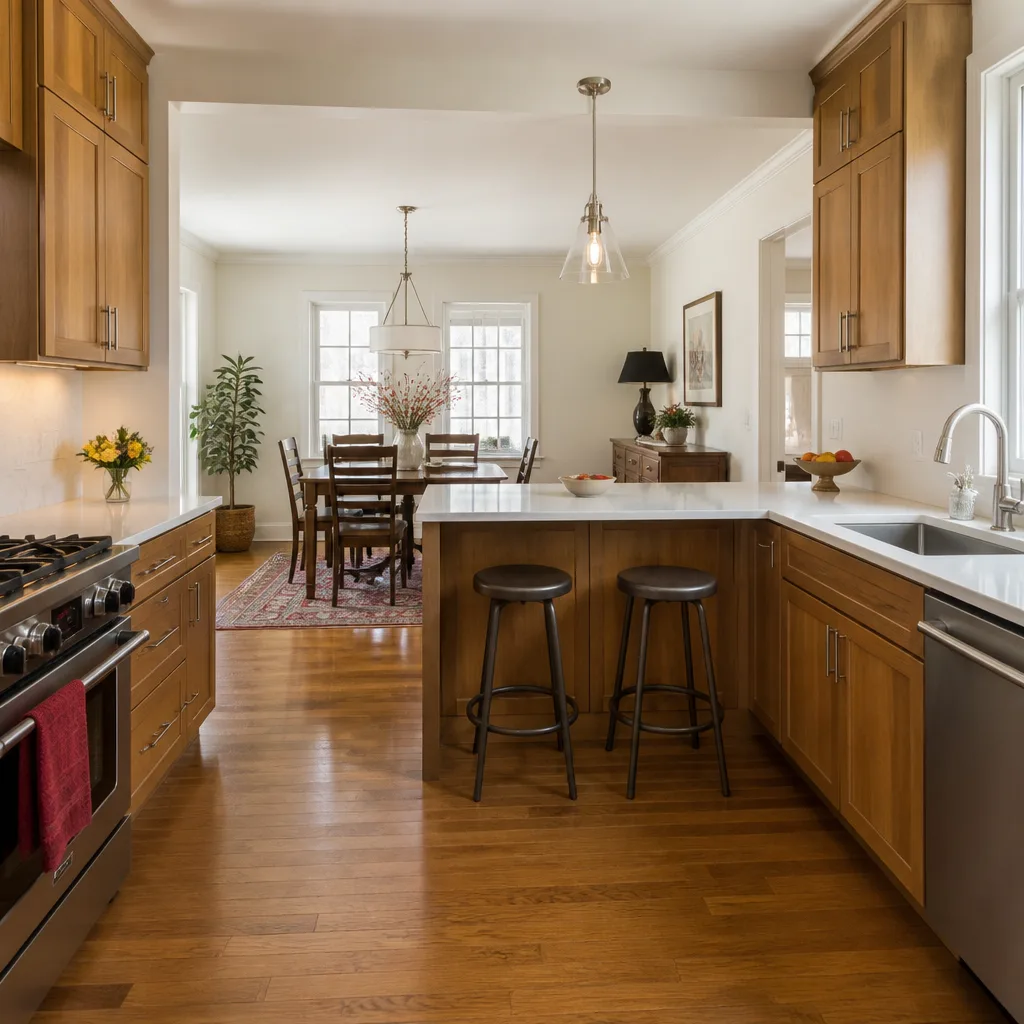
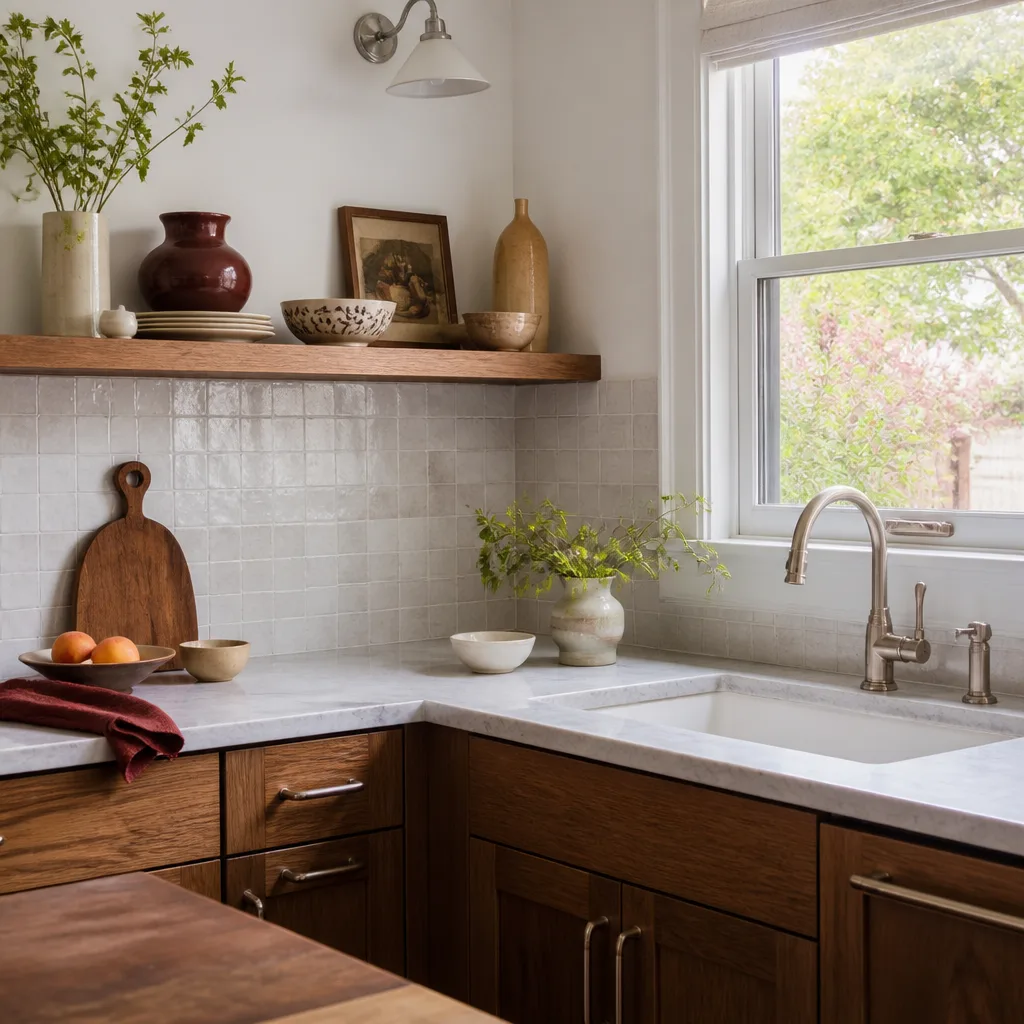
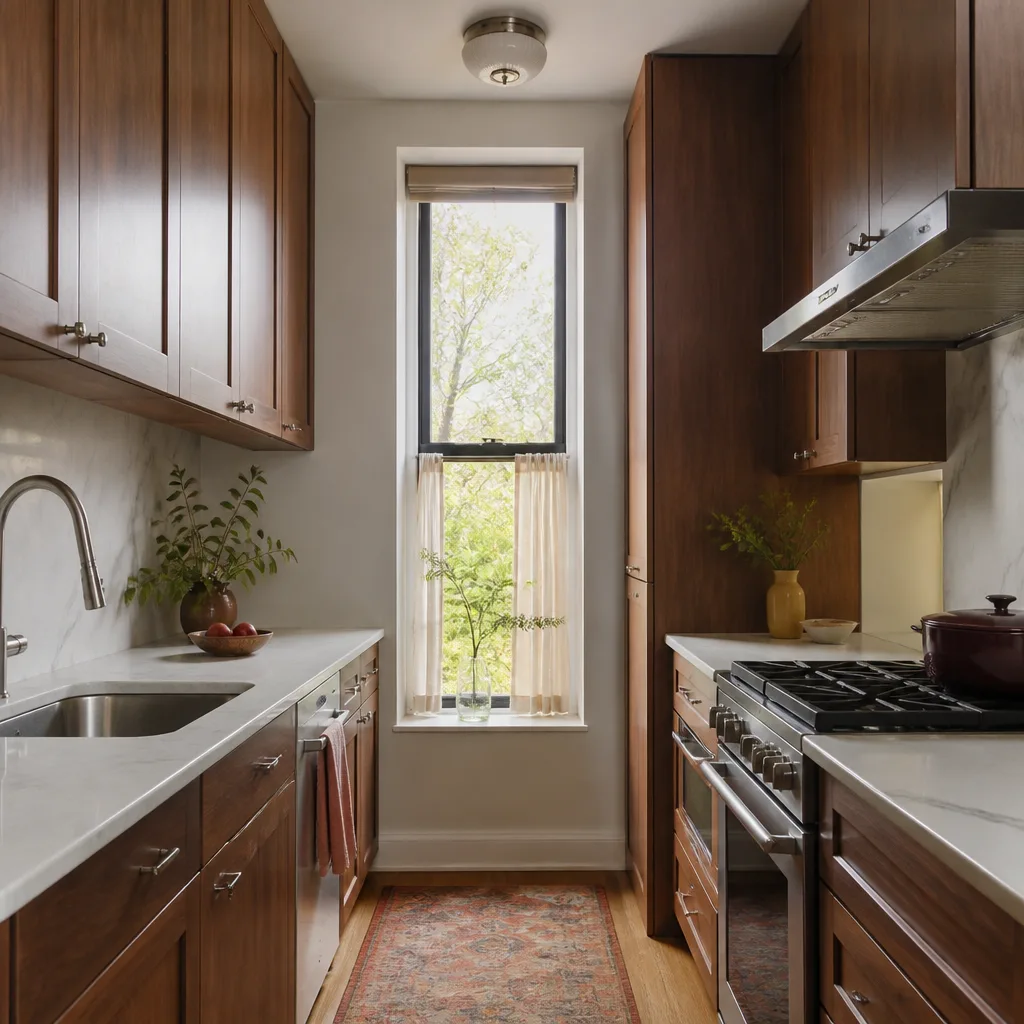
Kitchen remodel pricing in Orlando lands between $14,000 and $45,000, and what moves the number is the scope, not the contractor’s mood. The tight end of that range covers a smaller kitchen: cabinet refacing or stock cabinet installation, a laminate or basic quartz countertop, a HardieBacker-based tile backsplash, and no structural work. The $45,000 end means custom or semi-custom cabinets, Cambria or Caesarstone counters, a larger footprint, plumbing and electrical relocations, and possibly an exterior wall opened up for HardiePlank replacement and flashing correction. Where James Hardie products specifically show up: a full backer board replacement for a typical Orlando kitchen runs $800 – $2,500 installed with tile; new HardieTrim around a kitchen window or door runs $400 – $1,100; and if an exterior kitchen wall needs re-siding with HardiePlank, that’s typically $3,500 – $8,000 depending on wall length and access. Every Penhallow quote is a written price, not an estimate range, so the number you get on day one is the number on the invoice when we finish.
See the difference
 Before
 After
After Before
 After
After Before
 After
AfterDIY or Call Us?
A homeowner with basic skills can safely scope out the problem: pull a floor register cover and check the floor buildup layers, look for the HardieBacker name printed on exposed edges, and tap wall tile for hollow spots. Those are reading-the-situation tasks, not repair tasks. Where DIY goes wrong on a James Hardie kitchen job: mixing thin-set in Orlando summer heat means it kicks off too fast for proper coverage, cutting cement board without proper scoring leaves ragged edges that telegraph cracks upward, and pulling tile off a wall only to find the substrate needs full replacement leaves you with a gutted kitchen and no plan. We’ve walked into kitchens where a homeowner attempted a substrate replacement over a weekend and called us Wednesday because the first row of new tile cracked within 48 hours. If you’re considering this route, call us at (850) 427-6454 first and we’ll tell you honestly whether it’s a swap-you-can-handle or a call-us job.
Key Takeaways
- James Hardie kitchen remodeling in Orlando is primarily about HardieBacker substrate, HardiePlank siding, and HardieTrim integration, not a single “part swap.”
- Most failures we see come from prior installation shortcuts: missing expansion gaps, tile set on drywall, or flashing skipped on exterior kitchen walls.
- Orlando’s humidity and afternoon thunderstorms punish installation mistakes faster than a dry climate would.
- Written pricing before work starts is the standard here. What you sign for is what you pay.
FAQs
A properly installed HardieBacker tile substrate and HardiePlank exterior wall should last 30 years or more in Orlando, though the tile surface, grout, and caulk joints will need attention well before that. What shortens the lifespan isn’t the product; it’s Florida rainfall getting past a bad flashing joint and soaking the framing from inside the wall cavity.
If the board itself is intact and the problem is grout or caulk failure, a targeted repair can work. If the board is cracked, water-damaged, or improperly fastened, patching over it just moves the failure to a new spot. We’ll tell you which situation you have before quoting anything. Call (850) 427-6454 and we’ll walk through what you’re seeing.
A substrate-and-tile kitchen replacement typically takes 2 – 5 working days in Orlando, including demo, HardieBacker installation, tile setting, grout, and cleanup. A full kitchen remodel with cabinets, counters, backsplash, and exterior wall work runs 3 – 6 weeks depending on material lead times and whether we’re pulling permits for plumbing or electrical changes.
We stock HardieBacker cement board in both common thicknesses, HardieTrim profiles, and the approved fasteners and flashing materials on our trucks for most Orlando kitchen jobs. Larger HardiePlank siding orders come from local Orlando supply yards, which we place the same day we quote so materials aren’t the thing holding your job up.
No. The written price you receive before work starts is the price you pay when the job is done. If we open a wall and find something that changes scope, we stop, put the new price in writing, and get your approval before touching anything else. That’s not negotiable at Penhallow Remodeling Orlando. That’s the way we work, and it’s the way I’ve built this company: give you the number first, then pick up the tool.
When you’re ready to get a real price for your James Hardie kitchen remodel in Orlando, call Penhallow Remodeling Orlando at (850) 427-6454. We’ll schedule a walkthrough, put a written price in front of you, and tell you exactly what the job involves, what it costs, and how long it’ll take, before anyone swings a hammer.
Written by Trevor Nash, Owner, Penhallow Remodeling Orlando at Penhallow Remodeling Orlando, serving Orlando and nearby areas.


