
Free written scope consultation - allowances, timeline, and change-order rules on paper before a single trade is scheduled
CWS Home Additions & ADU: The Orlando Owner’s Guide
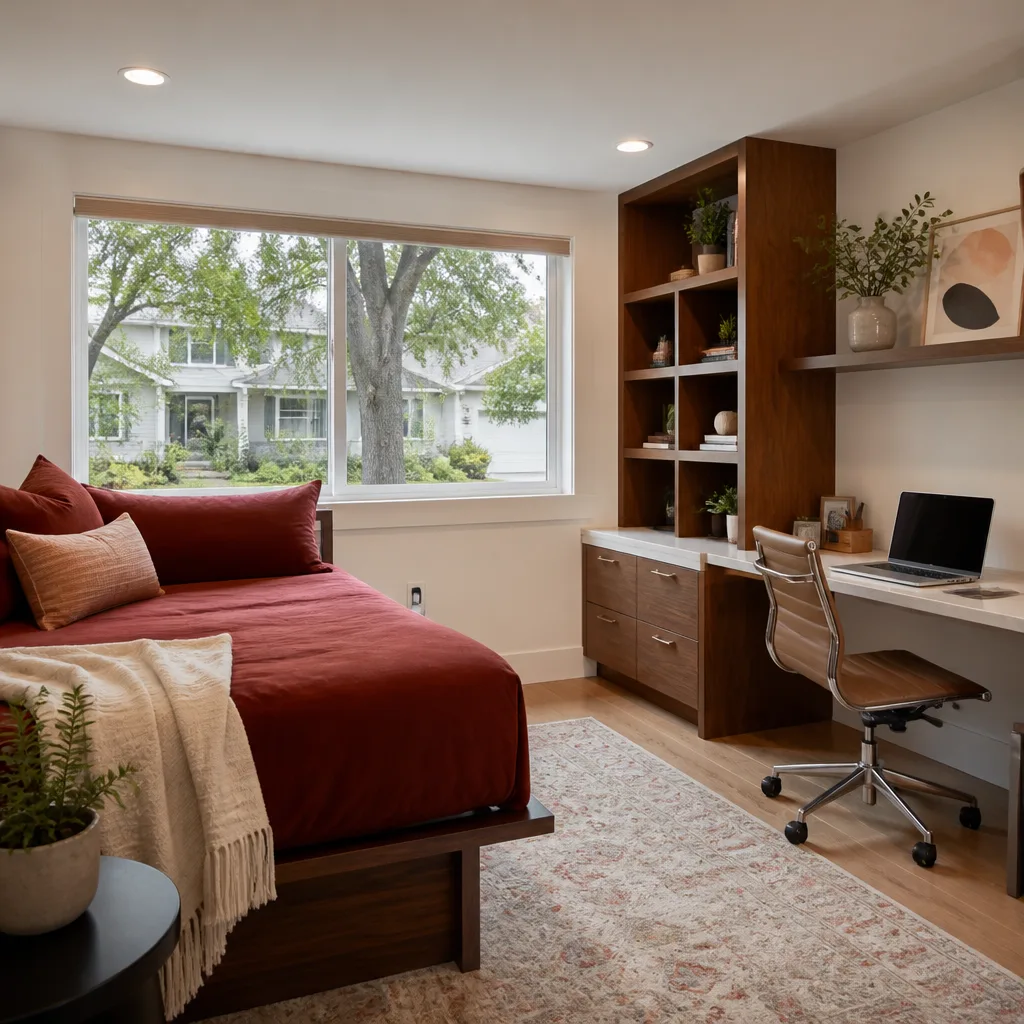
If you’ve got a CWS home addition or ADU component that’s failed, or you’re planning one and want to know exactly what it’ll cost before anyone swings a hammer, you’re in the right place. A CWS home addition or ADU project in Orlando typically runs $45,000 – $130,000 installed, and that number depends heavily on square footage, foundation work, plumbing rough-ins, and whether your existing electrical panel can carry the new load. Most homeowners discover a problem the same way: a door that suddenly sticks, a floor that’s started to slope, or a mini-split that can’t keep the new space cool in August. We stock and install CWS-compatible structural components, rough-in kits, and finish hardware, and we’re one of the few remodeling teams in Orlando that’ll hand you a written number before work starts.
Quick note before we get into the details: Penhallow Remodeling Orlando is an independent general contractor. We’re not affiliated with CWS, but we work with their components regularly, we know which version of a given part fits which build-out, and we’ll be straight with you about whether an OEM part or a quality aftermarket equivalent makes more sense for your project.
Key Takeaways
- CWS home additions and ADUs in Orlando run $45,000 – $130,000 as a complete installed project; the specific part you’re replacing will land somewhere within a much smaller range.
- We give you a written price before work starts. The number on day one is the number on the invoice.
- Every project carries the 365-Day Done Right Promise: if it fails within a year, we come back and make it right at no charge. In writing.
- Call (850) 427-6454 and a real person answers. We’ll help you figure out what you actually need before you spend a dollar.
Which CWS Models This Applies To
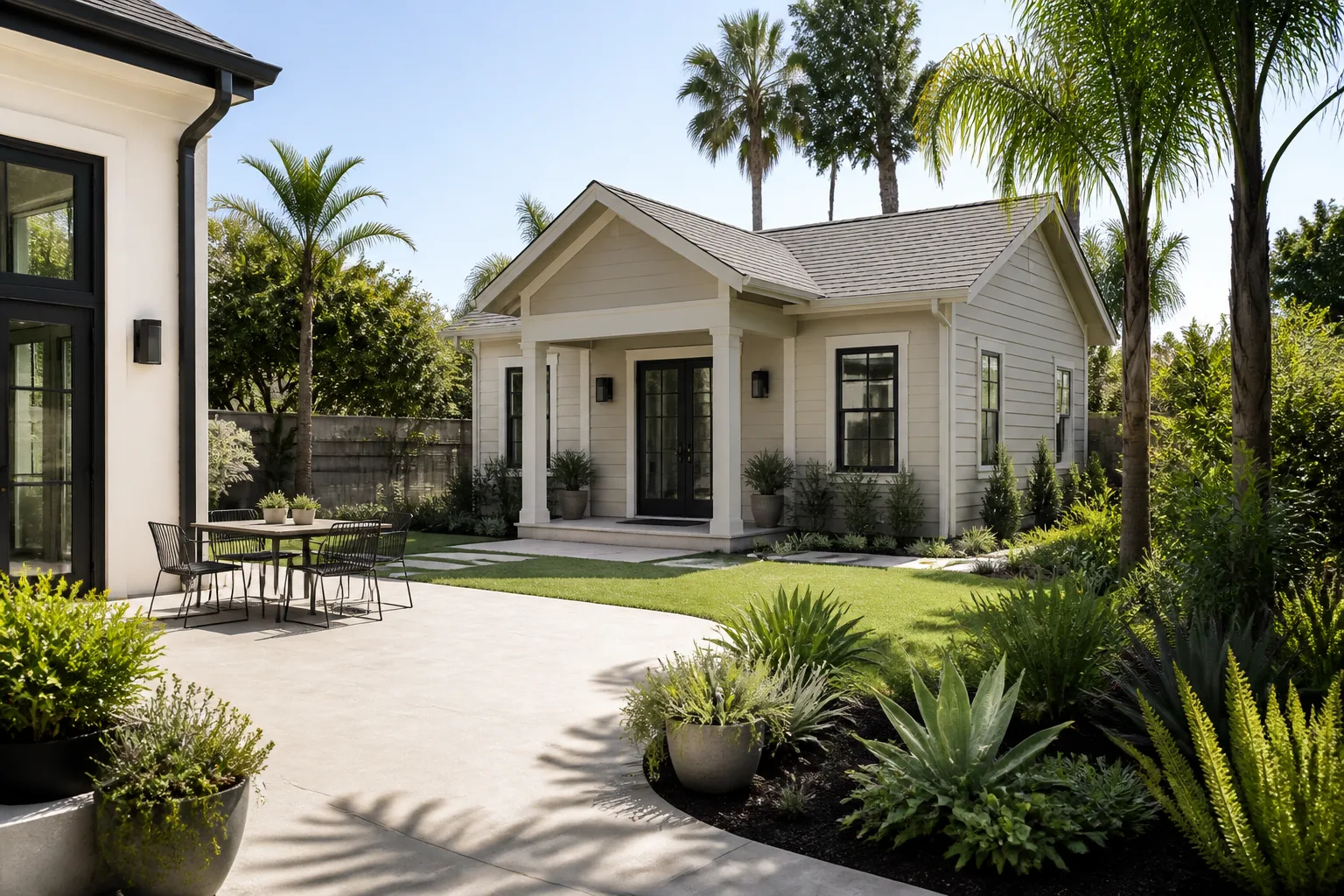
CWS uses a modular component system for their additions and ADU kits, and that’s where we see the most owner confusion. A door assembly from a 2019 build-out won’t necessarily accept a 2023-version threshold, and the window rough-in dimensions changed slightly when they moved to the Series B frame profile. If you’re replacing a specific part, look for a small metal tag on the inside of the component: it’ll have a two-letter prefix followed by a four-digit code. The prefix tells you the series (for example, “CW” is the original profile, “CB” is the Series B), and the four digits are the build date. That tag matters more than the model name.
For structural components like headers, sill plates, and connector brackets, we almost always recommend OEM CWS parts. The tolerances are tight, and an aftermarket bracket that’s off by a sixteenth of an inch becomes a headache in a Florida windstorm. For finish hardware like door handles, thresholds, and weather stripping, quality aftermarket equivalents are usually just as good and often cost 20 – 30% less. We’ll tell you which is which before you commit to anything.
Styles & brands we work with







Signs Your CWS Home Addition or ADU Is Failing
- Doors that stick at the top corner. This usually means the header has settled or the foundation has shifted slightly. In Orlando’s sandy, high-water-table soil, even a well-built addition can settle a quarter inch over five years. It’s not always urgent, but it’s worth inspecting before it gets worse.
- Hairline cracks running diagonally from window corners. This is typically thermal expansion working against the drywall, and it’s common in Florida’s heat-and-humidity swing. If the crack is wider than a dime at any point, the framing behind it may be moving more than it should.
- A floor that feels springy underfoot. The joist spacing or the subfloor thickness may not match what the CWS system specified. We’ve seen this in College Park bungalows where an ADU was added onto 1950s framing that wasn’t properly tied into the new structure.
- Water staining at the bottom of walls or around the mini-split line set. Orlando’s afternoon thunderstorms will find any gap in flashing or any connection that wasn’t sealed properly. By the time you see the stain, moisture has usually been working for weeks.
- HVAC that can’t hold temperature in the new space. Either the unit is undersized for the square footage, or the ducts were run too long without enough returns. Both are common when a CWS addition is fitted into an existing Orlando home where the original system was already at capacity.
See the difference
 Before
 After
After Before
 After
After Before
 After
AfterReplacement Cost & What’s Included
A focused component replacement, like a failed threshold, a warped window assembly, or a settled header, usually runs $450 – $3,500 installed, depending on what exactly failed and how much access we need. A full ADU build-out in Orlando, by contrast, lands between $90,000 – $220,000 when you factor in foundation, framing, mechanicals, and finish. What drives the number up or down: square footage, whether you’re tying into existing plumbing or running new lines, the condition of your electrical panel, and whether the site needs any fill or drainage work before we can even set the forms.
Every number we give you is a written, line-item price. You’ll see the parts cost, the labor cost, and any permit or material fees broken out. No change orders because we “discovered” something we should have caught in the estimate. If the job involves a structural repair, the workmanship carries the 365-Day Done Right Promise in writing. If a part fails inside that year, we come back. No service call fee, no re-inspection fee, no argument.
DIY or Call Us?
You can safely check a few things yourself: look for the metal tag on your CWS component and write down that two-letter prefix and four-digit code before you call anyone. That alone saves us a trip and you a charge. You can also check for visible water staining, measure any cracks you find, and note whether doors and windows operate smoothly.
What you shouldn’t do is pull apart any structural connection, cut into drywall to “see what’s behind there,” or attempt to re-frame a header yourself. Structural work on a CWS addition ties into load paths that run through the roof and into the foundation. If you get it wrong, you’re not dealing with a cosmetic problem. You’re dealing with a roof that starts moving in the next storm. If the issue is structural, call us at (850) 427-6454. We’ll come out, look at it, and tell you what’s actually going on before anyone picks up a tool.
FAQs
A properly installed CWS structure should last 30 – 50 years as a system, with individual components like thresholds, weather stripping, and window seals giving you 8 – 15 years in Florida’s heat and humidity. The weakest points are almost always the flashings and the door/window seals, not the framing.
Sometimes yes. A threshold that’s lifted can usually be re-secured. A window that’s fogged between the panes cannot. A header that’s moved more than a half inch generally needs replacement, not shimming. Call us at (850) 427-6454 and describe what you’re seeing. We’ll tell you honestly whether repair is worth paying for.
Most single-component replacements, like a door assembly or a threshold, take half a day to a full day. A structural repair involving a header or wall ties takes 1 – 3 days once we’re on site. Full additions and ADUs run 3 – 6 months depending on scope and permitting in Orlando.
We keep common CWS-compatible thresholds, connectors, and finish hardware on our trucks. Series-specific components, especially anything tied to the newer CB profile, sometimes require a 3 – 7 day order. When we give you a written estimate, we’ll tell you exactly which parts are on hand and which ones we’re ordering, with the lead time spelled out.
If you’ve got a CWS home addition or ADU problem in Orlando, don’t guess at it. Call (850) 427-6454. A real person answers, we’ll ask the right questions, and we’ll get you a written price and a straight answer. Trevor Nash is the owner here at Penhallow Remodeling Orlando, and he built this company on a simple rule: give you the number first, then pick up the tool. That’s how every CWS repair and addition we touch gets done.
Written by Trevor Nash, Owner, Penhallow Remodeling Orlando at Penhallow Remodeling Orlando, serving Orlando and nearby areas.


