




Free written scope consultation - allowances, timeline, and change-order rules on paper before a single trade is scheduled
PGT Home Additions & ADU: The Orlando Owner’s Guide
If you’re searching for PGT-compatible home additions or ADU planning in Orlando, the short answer is this: a full home addition on a PGT-built or PGT-window-equipped home typically runs $45,000 to $130,000 here, while a standalone ADU lands between $90,000 and $220,000 depending on square footage, foundation work, and finish level. We are not a parts counter, but we are the remodeler Orlando homeowners call when the addition they added five years ago starts showing framing gaps, window flashing failures, or door alignment problems tied to PGT product integration. Penhallow Remodeling Orlando is an independent general contractor, not affiliated with PGT, and we give you the number first, then pick up the tool.
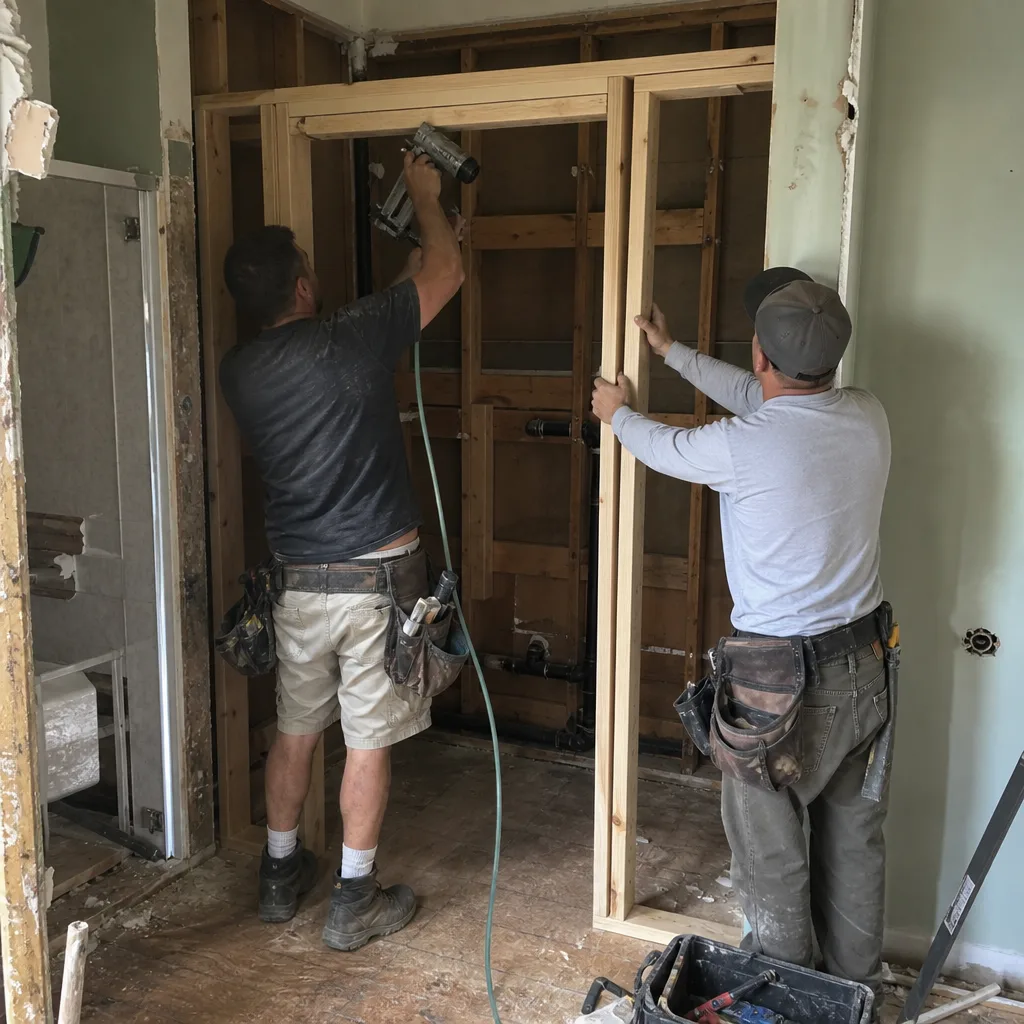
Most owners discover a PGT-related addition problem the same way: a window that suddenly sticks, a door that won’t latch after the afternoon heat, or drywall cracks along a header where the old roof meets the new one. Florida’s humidity and afternoon thunderstorms don’t cause those failures by themselves. They expose them.
Which PGT Models This Applies To
PGT’s product lines show up all over Orlando additions, and the compatibility question depends on what was actually installed. The PGT WinGuard series is the one we see most often on additions where impact-rated windows were required by Orange County code. PGT SpectraGuard and PremierVue lines appear on newer additions designed for lakefront lots or high-UV exposure. Each series has its own frame depth, glass thickness, and flashing integration point, so a window from one line won’t simply swap into an opening sized for another.
The gotcha most owners hit: PGT windows and doors are engineered as systems tied to the original structural opening. A 5050 window from WinGuard is not the same physical unit as a 5050 from SpectraGuard, even though the nominal size looks identical. If your addition’s plans called for one and the subcontractor substituted another, you’ll feel the difference in air leakage and see it in condensation between the panes. We ask owners to check the etched corner mark on the glass or the silver label on the frame. That marking tells us the series, glass package, and production date, which matters when we’re matching an addition to the original structure.
For framing and structural work, we don’t chase aftermarket equivalents where PGT’s engineering was part of the original design. The window and door openings on a PGT-integrated addition were flashed and sealed to PGT’s installation specs. When we rebuild or extend, we match that, because an aftermarket flashing detail that’s “close enough” is exactly how Orlando homeowners end up with water stains on a brand-new ceiling.
Styles & brands we work with







Signs Your PGT Home Addition or ADU Is Failing
- Hairline cracks radiating from window corners on the addition. This is usually a framing or shear issue where the added structure meets the original roofline. Orlando’s summer heat expands the framing, and if the addition wasn’t tied into the existing top plate correctly, the drywall takes the strain.
- Doors that latch fine in the morning and bind by 3 p.m. That’s thermal movement plus a settling corner. If the footer under your addition wasn’t poured to match the original soil bearing capacity here in Central Florida’s sandy loam, you’ll see this pattern within the first three years.
- Condensation or fog between panes on PGT windows that previously showed none. The inert gas seal inside the insulated glass unit has failed. It’s not repairable from the outside; the sash or IGU itself needs replacement work. What started as a cosmetic annoyance becomes a humidity problem in an Orlando July.
- A visible daylight gap at the bottom corner of an exterior door on the addition. The threshold was set too high or the subfloor has compressed. Either way, that gap is an invitation for every summer thunderstorm to introduce itself to your baseboards.
- Floor squeaks that worsen with the seasons and dips you can feel. An addition’s floor joist system can deflect over time if it was undersized at permit stage or if a bathroom addition’s plumbing cuts went through more of the joist than the span tables allowed.
See the difference
 Before
 After
After Before
 After
After Before
 After
AfterWhat It Costs to Fix, Replace, or Build in Orlando
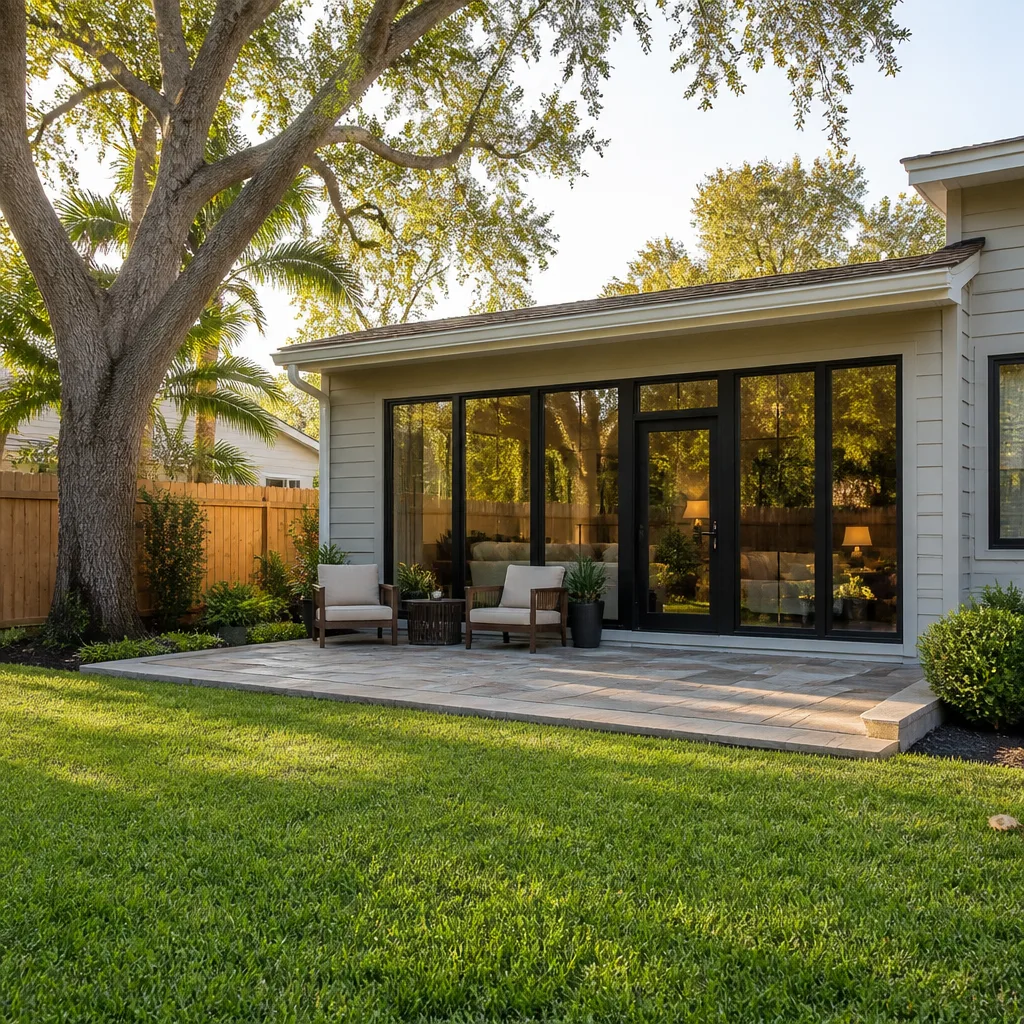
If what you need is not a full addition but a repair to the PGT-integrated structure you already have, Orlando pricing for the common fixes breaks down like this: structural header repair at a failing window corner runs $1,800 to $4,500 depending on whether we’re opening the wall or working from the exterior. PGT window sash and IGU replacement work typically costs $600 to $2,800 per opening. A full door re-hang and threshold reset runs $800 to $2,400. If you’re adding square footage, home additions in Orlando run $45,000 to $130,000. A detached ADU with kitchenette and bath is $90,000 to $220,000. A garage conversion to living space lands at $30,000 to $80,000.
What’s included when we give you a written price for addition or ADU work: plans and structural engineering where required, permits, demolition and hauling, all framing and sheathing, the PGT-compatible window and door package, electrical and plumbing rough-in and finishes to code, insulation, drywall, paint, and final trim. What drives the price up: foundation work on poor soil, second-story additions, custom tile or cabinetry, and impact-rated glass upgrades. What drives it down: simple room bump-outs, slab-on-grade ground-floor additions, and off-season scheduling.
Every line item gets a number before we pick up a tool. The written price is the price on the invoice. And the work carries a 365-day promise: if something fails inside that year because of our workmanship, we come back and make it right at no charge.
DIY or Call Us?
You can safely identify which PGT series your addition uses by checking the etched corner marking or the silver frame label. You can also safely measure the rough opening of a sticking door and note when the binding happens. That information saves us a trip. What you should not do yourself is pull a PGT window out of a stucco or frame wall to investigate, attempt to reshim a header over an opening, or grind down a threshold on an exterior door without checking what’s underneath it first.
Structural work on an addition is not a Saturday project. The glass in those PGT units is heavy, the flashing details were engineered, and the risk of a bad reseal showing up six months later as a water stain is real. That’s why we handle it. We’re background-checked, uniformed, and the crew that shows up is the crew we expect in our own homes. If you’re on the fence about what you’re seeing, call (850) 427-6454 and describe the symptom. We’ll tell you whether it’s a repair or a full replacement, and what a realistic Orlando budget looks like.
FAQs
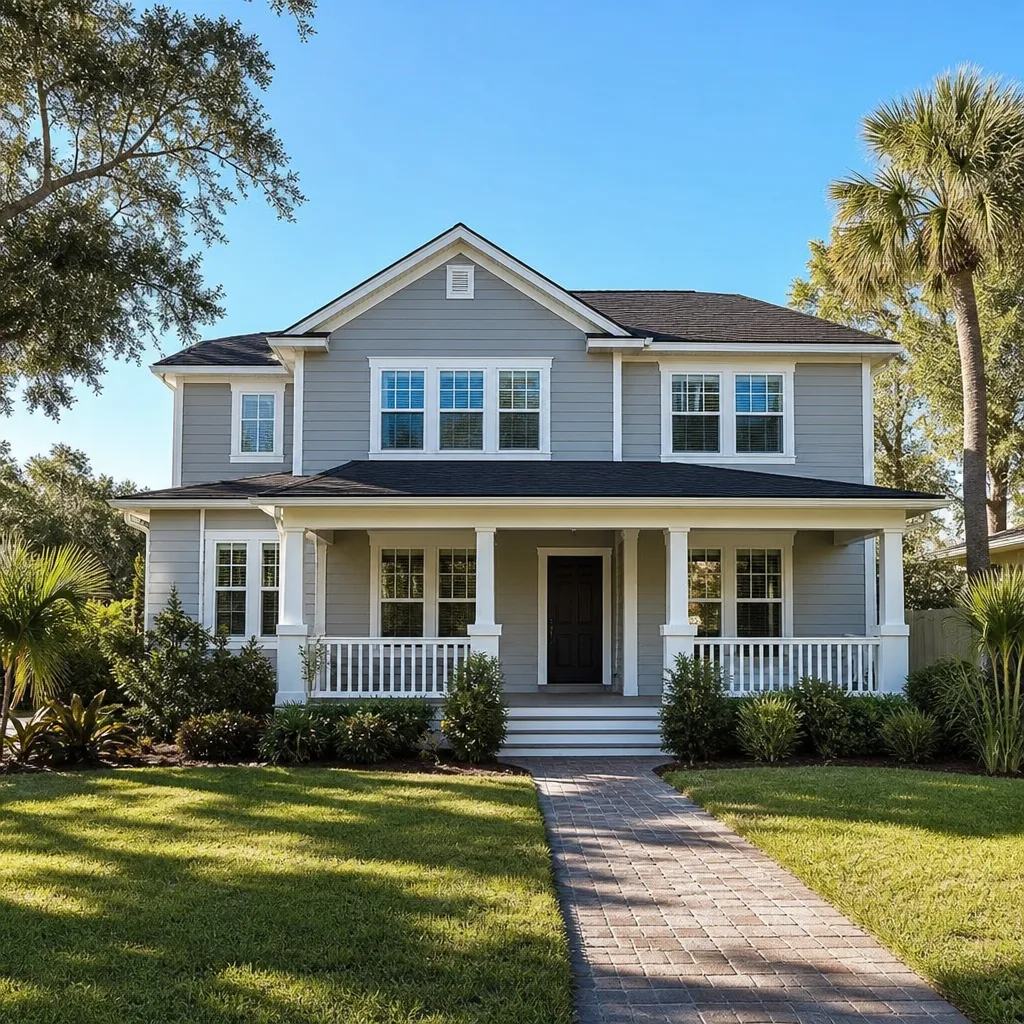
A properly built addition with PGT WinGuard or SpectraGuard windows should give you 30 to 50 years of structural life, though the windows themselves will typically need IGU replacement after 15 to 25 years due to Florida heat and humidity breaking down the seal over time. If your addition is showing cracks or binding doors inside the first decade, that’s a construction issue, not a product issue, and it’s worth having a professional look at the structure. Call (850) 427-6454 and we’ll tell you what we’d check first.
Fogged glass can often be fixed by replacing the insulated glass unit or sash rather than the entire frame, provided the frame itself is still square and the flashing is intact. A window that’s shifted in its rough opening due to structural movement usually needs the framing corrected first, and then a reseat or full replacement. We’ll tell you which one applies to your situation before any work starts, and your quote will reflect exactly which parts and labor are needed.
A targeted repair like a header fix or threshold reset takes one to two days once we’ve opened the wall and confirmed the scope. A full ADU build from permit to final inspection typically runs four to eight months depending on foundation, utility runs, and the finish package. You’ll get a written schedule with your written price, so you know the arrival window before we start. Call (850) 427-6454 for a free estimate and a real timeline.
We source PGT products and compatible structural components project by project from established Florida supply houses, and we also work regularly with KraftMaid, Cambria, and Silestone materials for the finishes inside additions and ADUs. We don’t run a parts counter out of a warehouse, but we handle the full procurement, delivery, and installation so you’re not chasing part numbers yourself. Estimates are free; call (850) 427-6454 and we’ll put the numbers in writing.
Written by Trevor Nash, Owner, Penhallow Remodeling Orlando at Penhallow Remodeling Orlando, serving Orlando and nearby areas.


